

Commercial Painting Challenges in Coastal and CBD Locations Like Sydney
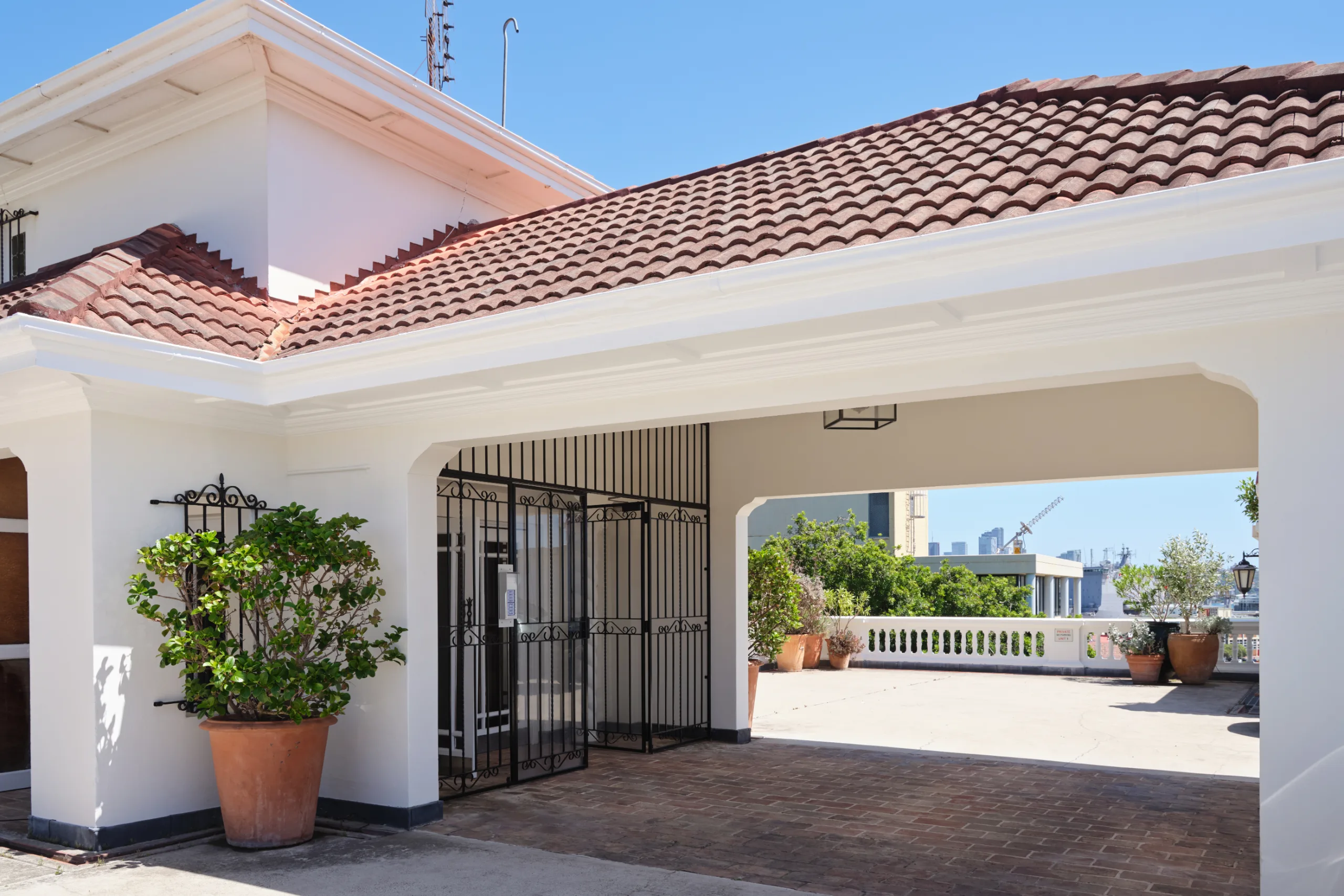
Location has a bigger influence on building performance than you might think. Environmental challenges matter when it comes to commercial painting systems, and in CBD and coastal places like Sydney, painters need to assess far more than the visible condition of the exterior before recommending a solution.
Since 1958, Dukes has been transforming business, strata, retirement living, education and government properties with high-quality commercial painting and remedial building repair services. We work with local conditions, from climate to busy streets, to deliver a finish that is both durable and visually appealing.
Coastal environments create constant pressure on building exteriors
Coastal environments mean salt-laden air, moisture and UV exposure, all of which accelerate the deterioration of coatings and building materials. Salt settles on building surfaces, even when a property is not directly on the waterfront. It attracts moisture and keeps surfaces damp for longer.
Without the right preparation and coating system, coatings can blister, peel and fail prematurely, while metal components such as handrails, fixings and structural steel become more vulnerable to corrosion. Australia’s high UV levels place further stress on exterior coatings. Over time, they cause fading, chalking, loss of gloss and reduced protective performance.
Coating systems specifically designed for coastal conditions are available. Product selection should always consider the building’s location, substrate and level of exposure rather than relying on a standard specification. Depending on the building and the materials involved, this may include protective primers, anti-corrosion systems and high-performance exterior coatings.
"Every commercial painting project comes with its own challenges, and the right solution starts with understanding the building and its surroundings."
Regular maintenance for coastal buildings is essential
Buildings by the ocean generally benefit from more frequent inspections because coating breakdown, corrosion and water ingress often begin with subtle warning signs. Identifying them before significant damage occurs can help avoid much larger repair bills.
Certain defects also progress much faster in marine environments than they would inland. Cracked sealants, damaged coatings and isolated corrosion that might remain relatively stable elsewhere can deteriorate rapidly when exposed to salt and moisture. Addressing them promptly can extend the life of both the coating system and the underlying building materials.
Rather than waiting until major repairs become unavoidable, planned maintenance allows strata and commercial property owners to make informed decisions about repairs, touch-ups, and future works. Contrary to popular belief, this approach typically reduces long-term costs while helping to preserve the building’s appearance and structural integrity.
CBD projects involve far more than painting alone
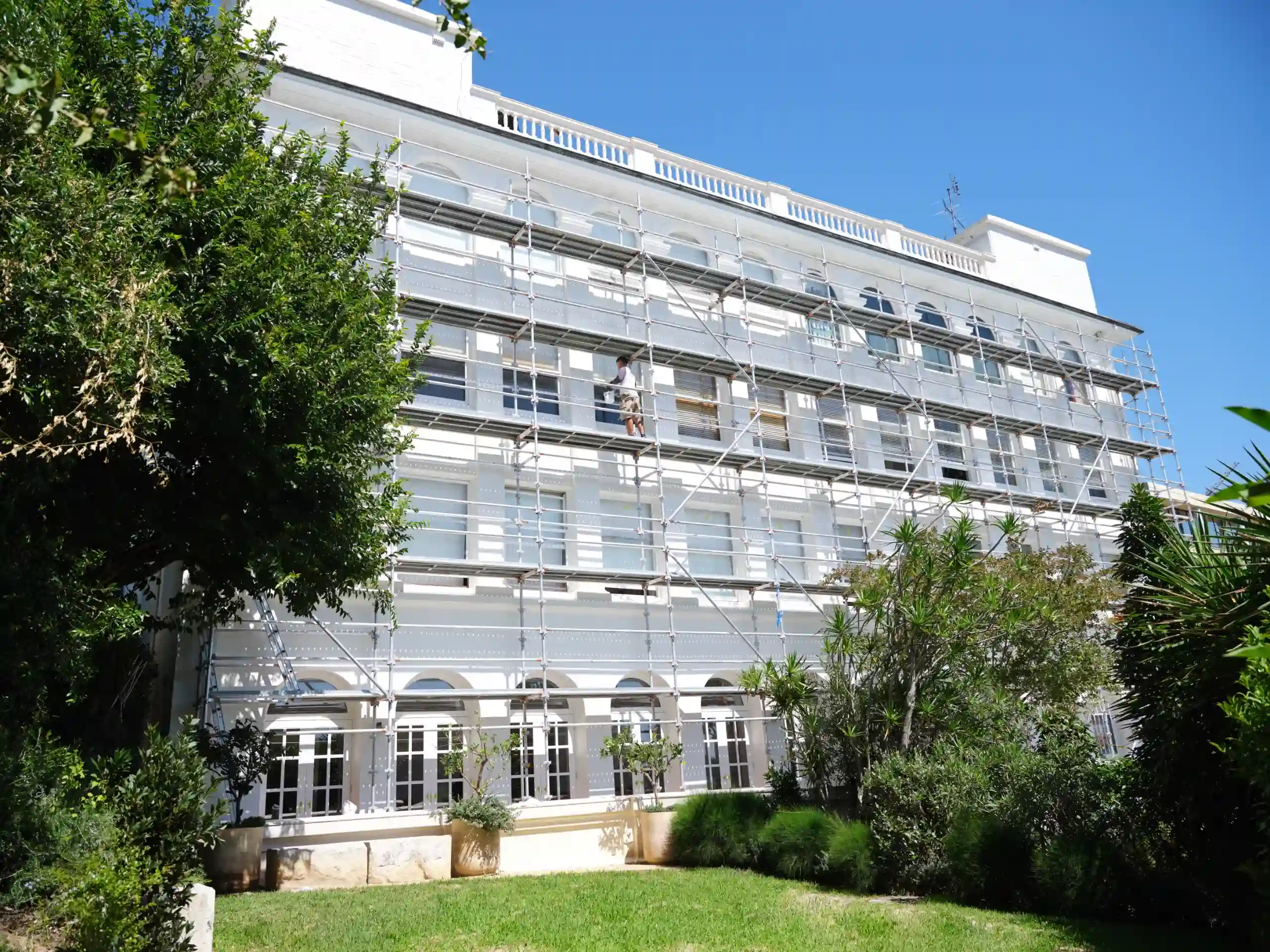
Sea air isn’t the only locational challenge that most of our projects have to contend with. What’s happening around the building matters too. In busy CBD locations and surrounding suburbs throughout Sydney, public access, neighbouring businesses, tenants and vehicle traffic all need to be considered well before work begins on site.
Narrow streets are common, which can make access challenging, although certainly not impossible. Limited loading zones, overhead services and restricted space for scaffolding, boom lifts and material storage all influence how a project is planned and delivered. Most CBD buildings remain fully operational throughout the works, so every stage must be carefully coordinated. Clear communication with building managers, tenants and neighbouring businesses is also essential to minimise disruption.
Many city locations also have strict requirements around working hours, noise and traffic management. Some activities may only be permitted outside business hours, overnight or on weekends. Depending on the building and its location, permits may also be needed for road occupancy, footpath closures and traffic control. Planning also needs to account for deliveries, equipment access, waste removal and the sequencing of works.
We have a zero-compromise safety culture, and safety and compliance are always our highest priority. Every project is supported by established WHS systems, thorough planning and clear communication to ensure work is carried out safely and responsibly. Clear exclusion zones, appropriate signage and well-managed access around the work area help protect workers, building occupants and the public, while our independently audited safety systems give clients confidence that every project is managed to the highest standards.
"Regular maintenance can reduce long term costs by addressing small issues before they develop into major repairs."
Experience makes the difference when conditions are complex
Every commercial painting project comes with its own challenges, whether that’s coastal exposure, a busy CBD or a site with limited access. Experience makes a real difference when it comes to anticipating potential issues, reducing unnecessary delays and keeping unexpected costs to a minimum. Not every challenge can be predicted, but thorough site inspections help identify access requirements, assess potential risks and ensure the right people, products and equipment are in place before work begins.
Decades of working across Sydney’s CBD, coastline and busy commercial precincts means we’ve encountered almost every type of access constraint, environmental exposure and site condition imaginable. That experience allows us to identify potential issues earlier, ask the right questions from the outset and make informed decisions throughout the project, rather than learning on the job.
Talk to the experts in commercial painting in coastal and CBD locations
The right result doesn’t come from treating every building the same. It comes from understanding what the building is up against and responding accordingly.
Whether a building is by the coast, in a busy CBD or somewhere in between, Dukes has the knowledge, equipment and expertise to deliver a consistent, high-quality finish that performs for years to come. If you’re planning a project by the water or in a busy part of Sydney, contact us today for a quote tailored to your building and its location.
By Paul Williams
General Manager
Key takeaways

Location and commercial painting
Coastal environments, busy CBDs and restricted access each create different challenges that affect planning, product selection and long-term performance.
A different maintenance strategy
Salt, moisture and UV exposure accelerate deterioration, making regular inspections and timely repairs an important part of protecting the building.
Detailed coordination before work begins
Access restrictions, permits, traffic management and communication with building occupants all influence how works are planned and delivered.
Experience helps manage complex conditions
Thorough site inspections and an experienced team help identify potential issues early so projects can be planned more efficiently.
Frequent Asked Questions
Why do coastal buildings require a different commercial painting system?
Coastal buildings are exposed to salt laden air, moisture and high UV levels, which can accelerate the deterioration of coatings and building materials. Commercial painting systems should be selected according to the building’s location, substrate and level of exposure rather than using a standard specification.
Why is regular maintenance important for commercial buildings near the ocean?
Minor issues such as coating breakdown, corrosion and water ingress can progress much faster in marine environments than they do inland. Identifying and addressing these problems early can help extend the life of the coating system and reduce long-term repair costs.
Why are commercial painting projects in CBD locations more complex?
Busy CBD locations often involve restricted access, traffic management, permits, limited loading areas and buildings that remain occupied throughout the works. These factors require careful planning and coordination before painting can begin.
How do site inspections improve commercial painting projects?
Site inspections help identify access requirements, assess potential risks and determine the equipment, products and resources needed for the job. This planning allows contractors to prepare for site conditions before work begins and reduce the likelihood of unnecessary delays.
Why does experience matter in commercial painting?
Every commercial painting project presents different environmental conditions and access challenges. Experience helps contractors identify potential issues earlier, make informed decisions throughout the project and select an approach suited to the building’s location and conditions.
Recent projects


Recent projects


© Copyright Dukes Painting Services Pty Ltd. Website by Brilliant Digital