

Humidity and Rainfall Impacts on Exterior Commercial Paint Performance in Sydney
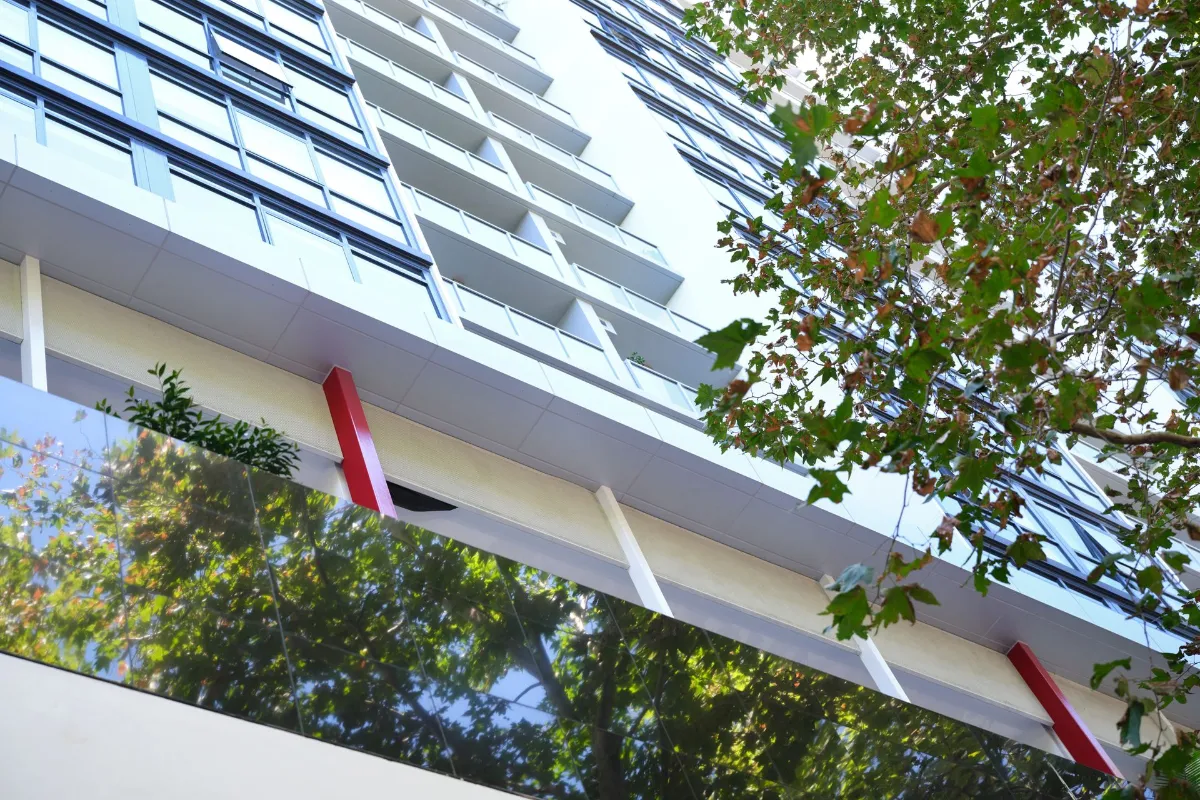
On-site, the environment sets the limits long before the paint does. When it comes to commercial painting, the climate in Sydney is more than an occasional disruption. It is a constant variable that sets the context for moisture management in every project. Coating performance is directly related to elemental control and not simply a matter of choosing the best products or ensuring the highest quality workmanship.
At Dukes, we’ve been transforming spaces since 1958, and you can’t do that without planning for weather risk and integrating it into project delivery. It always shapes our approach, because we know we can’t wait for ideal conditions.
“Coating performance is directly related to elemental control, not simply product choice or workmanship.”
Working within Sydney’s weather conditions on active sites
In Sydney, humidity and intermittent rain are constant constraints, not exceptions to the rule. We don’t plan around the weather; we plan around risk windows. Projects are broken into zones and elevations so work can move with conditions, not against them. Crews prioritise sun-facing areas that dry faster, along with sections that are naturally protected from exposure. Progress can continue even when other elevations are not viable.
Sequencing is built around curing requirements, not just application. Repairs must be completed and allowed to stabilise prior to coating to ensure substrates are adequately prepared and dry enough to support long-term adhesion under changing humidity levels and temperatures.
Rainfall affects how substrates behave by introducing moisture into surfaces that may appear dry. This interrupts curing cycles. If not managed correctly, it leads to compromised film formation and reduced durability.
What moisture actually does to coatings and substrates
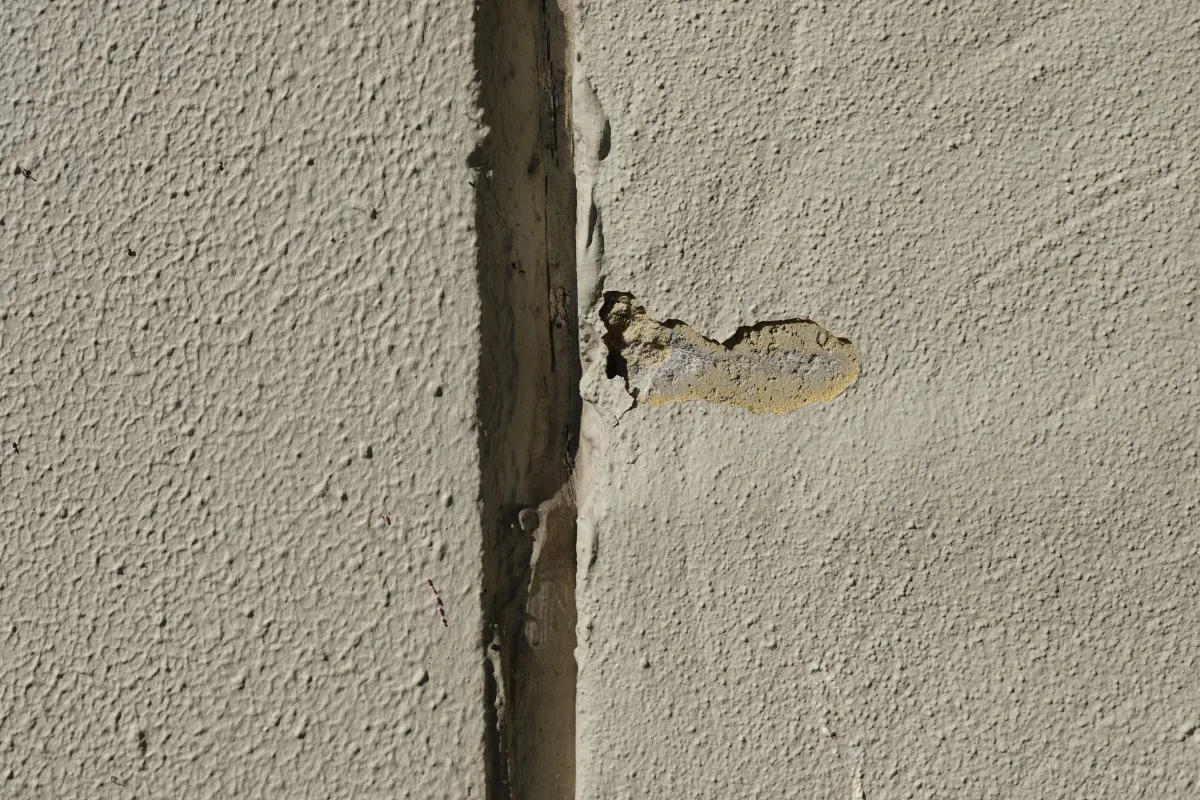
Moisture-related failures are some of the most common we see, and they’re rarely, if ever, solely due to the actual coating system. Blistering and peeling occur when coatings are applied over damp substrates, where trapped water forces its way back through the film. Delamination is another common effect linked to unstable or poorly prepared surfaces, particularly when patching or repairs have not had enough time to set.
High humidity interferes with curing at a film level, even when coatings appear touch dry and ready for the next coat. Moisture within the film prevents proper bonding, which leads to premature breakdown and failure once the system is exposed to heat or ongoing environmental stress.
And when moisture moves through substrates, it can carry salts to the surface, which results in efflorescence, a white, powdery coating, across masonry. In shaded or low airflow areas, persistent dampness also creates ideal conditions for mould and mildew growth.
How site teams monitor conditions and adapt in real-time
Our site teams track conditions daily using hour-by-hour weather data, along with dew point, surface temperature and substrate moisture readings. The results determine whether work can proceed within specification at that point in time.
When conditions fall outside acceptable limits, our crews are trained to stop work rather than push through, as this will only result in defects that reveal themselves later. This is a controlled decision-making process on site, not a judgment call driven by progress or time pressures.
Programmes are built to accommodate change, with float time and parallel work streams allowing teams to shift between areas or tasks. When external conditions are unsuitable, crews can move to sheltered zones, internal works, preparation or repairs, so progress continues without compromising the integrity of the coating system.
“Curing, ventilation and controlled sequencing are critical for achieving durable coating outcomes in challenging conditions.”
Selecting systems
Preparation is key, but product selection still matters in humid and wet conditions. Where moisture movement is expected, breathable coating systems are required to allow the substrate to release trapped vapour without damaging the film. High-quality primers designed for marginal conditions are also specified to support adhesion.
For remedial works, cementitious repair systems are selected for their controlled curing profiles, while elastomeric coatings are used in areas subject to movement and cracking. Lower-grade systems should be avoided, as they do not perform reliably in Sydney’s climate and tend to fail prematurely.
Product choice is always tied back to the substrate and its exposure, whether that is coastal influence, shaded elevations or high-rise environments, to ensure the system is suited to the conditions it will face over time.
A case study on managing a challenging environment
And it’s not just external repaints that are impacted by surrounding conditions. This particular project involved the internal repaint of unit entry doors within an occupied strata building in inner Sydney. It demonstrates that internal painting is not immune to risk. Elevated humidity became a critical factor, with poor natural ventilation through common corridors, combined with weather conditions and daily resident activity. This created a setting where coatings could not cure as expected.
While the primer appeared touch dry, testing confirmed it had not cured through the film. Proceeding at that point would have introduced a high risk of adhesion failure between coats, along with premature peeling and rework once exposed to heat or continued use.
To manage this, Dukes site teams monitored humidity, surface temperature and dew point daily and introduced forced ventilation to improve airflow throughout the corridors. Overcoating was delayed until curing was confirmed through the full film. Works were then resequenced to maintain progress without compromising performance.
The result was a consistent finish across all doors, with no adhesion issues or defects, delivered within a live environment without disruption or the need for rework. This reinforces that curing, ventilation, and controlled sequencing are critical for long-term coating solutions.
Talk to the commercial painting experts
Performance tends to be judged at project completion, but really it’s shaped by decisions made well before and well after application.
At Dukes, we integrate environmental monitoring, sequencing and considered product selection to ensure the best possible delivery and a high-quality finish.
If you own or manage a commercial property, strata building, aged care or retirement living facility, government premises or educational institution and require commercial painting services, get a quote from our team today.
Planning and risk management are addressed at every stage to support durable outcomes in Sydney’s coastal and variable conditions.
By Paul Williams
General Manager
Key takeaways

In Sydney, humidity and rainfall are constant factors that directly influence commercial painting performance, requiring careful planning around environmental conditions rather than ideal timing.
Moisture can disrupt curing, weaken adhesion and lead to issues such as blistering, peeling and efflorescence if substrates are not properly prepared and dried.
Effective commercial painting relies on real-time monitoring of weather conditions, with site teams adjusting sequencing, stopping work when needed and shifting tasks to maintain quality.
Product selection must align with substrate conditions and exposure, with breathable systems and appropriate primers supporting long-term durability in humid environments.
Frequently Asked Questions
How do humidity and rainfall affect commercial painting performance in Sydney?
Humidity and rainfall introduce moisture into substrates, even when surfaces appear dry, which can interrupt curing and reduce adhesion. In commercial painting, this can lead to issues such as blistering, peeling and premature coating failure if not properly managed. These environmental factors make moisture control a central part of project planning in Sydney.
Why is surface preparation important before applying coatings in humid conditions?
Surface preparation ensures that substrates are stable and dry enough to support proper adhesion, particularly when humidity levels are high. If repairs or patching are not allowed to fully cure, moisture can remain trapped beneath the coating and compromise performance. In commercial painting, this preparation stage directly affects long-term durability.
What types of coating systems are used in high-moisture environments?
In environments where moisture movement is expected, breathable coating systems are used to allow vapour to escape without damaging the film. High-quality primers designed for marginal conditions help support adhesion, while elastomeric coatings may be selected in areas prone to movement or cracking. These systems are chosen based on substrate type and exposure conditions.
How do commercial painting teams manage changing weather conditions on-site?
Teams monitor factors such as humidity, dew point, surface temperature and substrate moisture using detailed weather data. When conditions fall outside acceptable limits, work is paused or shifted to other areas, such as sheltered zones or preparation tasks. This structured approach allows commercial painting projects to progress without compromising coating performance.
Can indoor commercial painting projects be affected by humidity?
Yes, internal environments can still experience elevated humidity, particularly in areas with poor ventilation or high occupancy. In one project involving unit entry doors, curing was delayed due to moisture levels despite surfaces appearing dry. By introducing forced ventilation and adjusting sequencing, our team ensured proper curing and avoided adhesion issues.
Recent projects


Recent projects


© Copyright Dukes Painting Services Pty Ltd. Website by Brilliant Digital