

When Is the Best Time for Commercial Painting in Sydney?
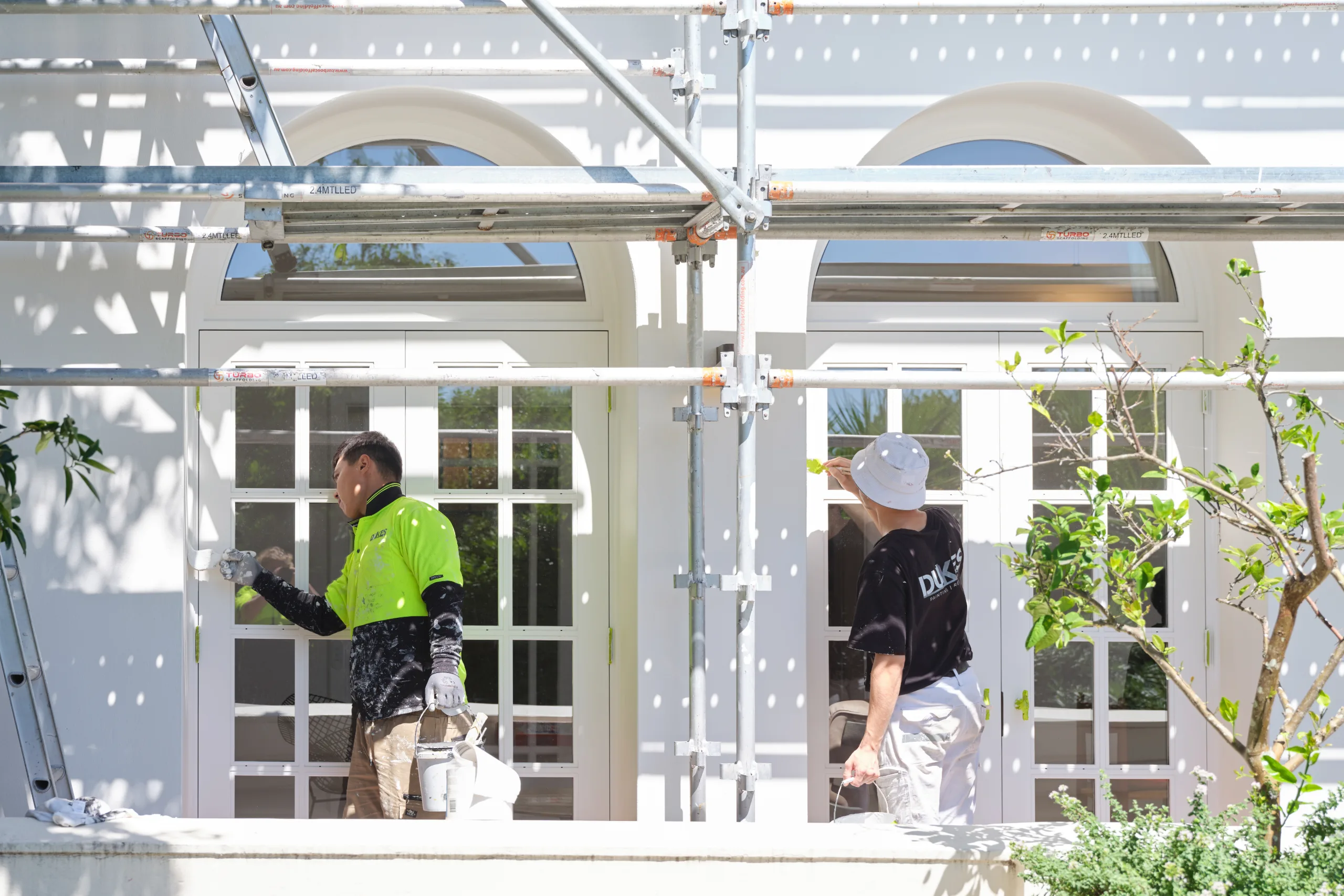
Sydney doesn’t really have an off-season for commercial painting. Unlike cricket, soccer, netball or footy, it’s more of a year-round fixture. But we know that many commercial property, facility and strata managers looking ahead at their maintenance needs often wonder if there’s a particular time of year when the work should be done. The good news is, the answer is any time. Some seasons may offer more favourable conditions, but they all have their own pros and cons.
At Dukes, we’ve been transforming spaces since 1958. That’s a lot of spaces, and we’re on site every month of the year in all kinds of weather. It’s the conditions that matter most and determine whether paint can be applied on any given day. Here’s what you need to know.
What really determines whether you can paint on any given day
Every coating system has application requirements around temperature and relative humidity. It’s not necessarily calendar-specific, and the requirements vary by product. Commercial painters need to work to the technical guidance for the system they’re using rather than follow a universal rule about what constitutes the perfect day. For context, some Dulux exterior specifications state that coatings should not be applied when:
- The surface temperature is below 10°C or above 40°C
- Relative humidity is above 85%
- The surface temperature is within 3°C of the dew point due to condensation risk
When it comes to summer heat, it’s about the surface, not just the forecast. Air temperature and surface temperature are not the same thing. A wall exposed to direct sunlight can become considerably hotter than the surrounding air. This means that even when the forecast doesn’t look too extreme, some sun-exposed elevations may exceed the application range for the coating system being used. The whole project doesn’t have to stop, however. Crews can move to shaded areas and plan the sequence of works around the conditions. That’s why you can’t just rule summer out.
At the other end of the spectrum, colder temperatures can reduce the window in which conditions are suitable. On some mornings, surfaces may be too cold or damp to coat, even if things improve later in the day.
Moisture is also a major factor. Cooler or more humid weather can extend drying and recoat times, so project programmes need to account for this rather than assume a coating will behave exactly as it would on a warmer or drier day.
"The best time isn’t necessarily a season. It’s when the weather, coating system requirements and all other practical factors can be accommodated.”
Why spring and autumn make painting easier
Essentially, spring and autumn in Sydney avoid the coldest winter temperatures and the extremes of summer heat. For example, Bureau of Meteorology (BOM) data shows mean maximum temperatures moving from about 20°C in September to 22.2°C in November, while autumn moves from 24.1°C in March to 20°C in May. So when a coating system specifies that surfaces must be between 10°C and 40°C and relative humidity must stay below 85%, there’s a good chance of meeting those criteria during these months.
The working day is also typically easier to manage in spring and autumn. In very hot weather, painters may need to avoid sun-heated surfaces or move to another elevation as the sun moves around the building throughout the day. In cold or damp conditions, work may have to wait until surfaces are dry enough and sufficiently above the dew point. So your typical day in these seasons gives a longer stretch of moderate conditions that avoids all the extremes. On larger commercial painting projects, this is especially beneficial.
Beneficial, but not essential.
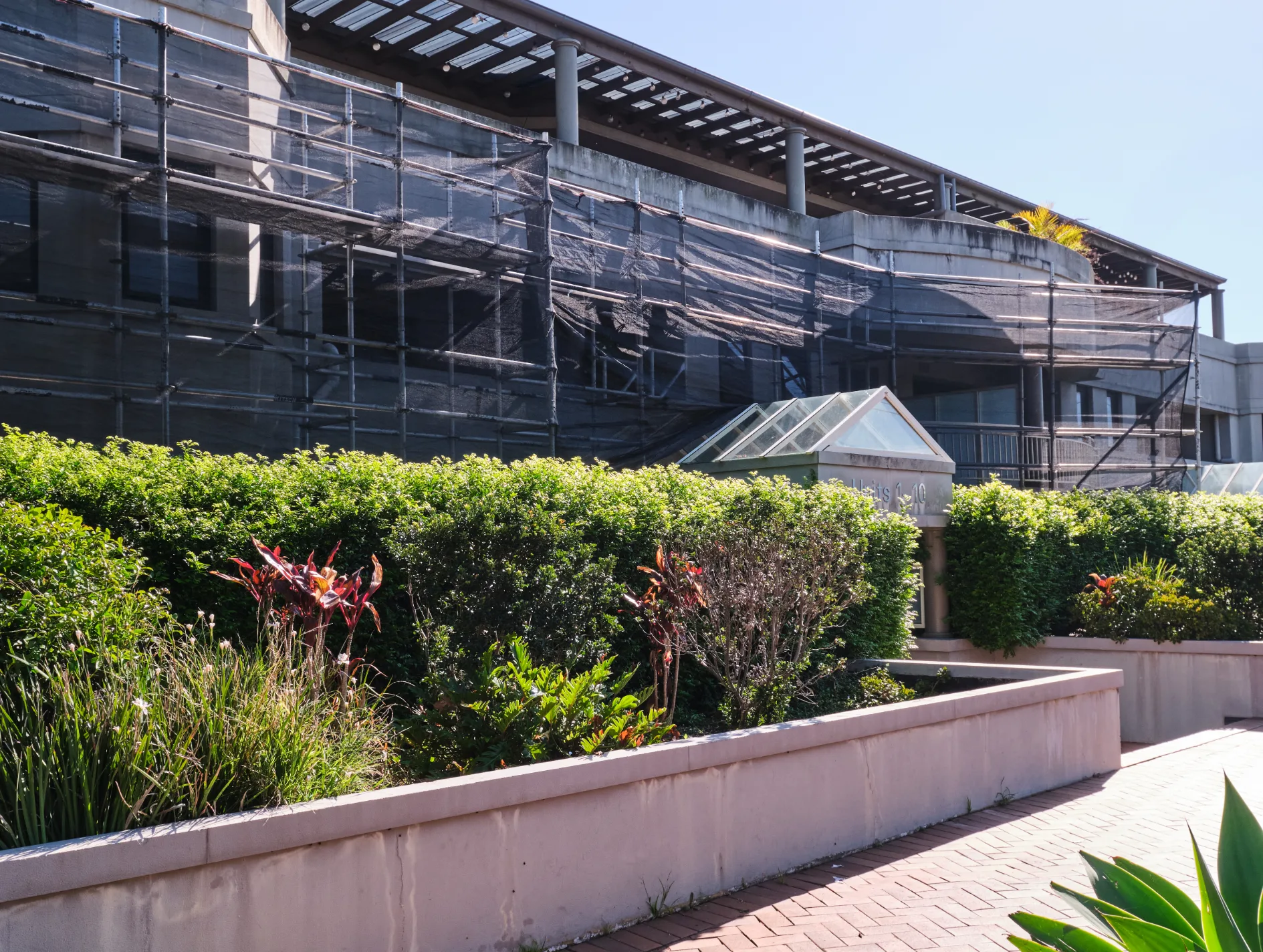
The limitations of summer and winter explained
Summer
For exposed areas, summer can mean shorter painting windows, which may require crews to change the order of work. And while you might think faster drying is an advantage, that’s not necessarily the case. High temperatures can make water-based coatings dry too quickly. This becomes a problem if the paint starts to dry before it has enough time to flow and level properly.
Sydney is also known for summer showers and thunderstorms. Exterior painting needs enough dry weather not only for application, but also for the coating to dry sufficiently before rain arrives. But all of this is a scheduling consideration, not a reason why we can’t paint in the hotter months.
Winter
The usable part of a winter’s day usually starts later. Early in the morning, surfaces may be too cold or damp for coating application. Once the temperature rises and surfaces dry, painting can proceed provided the individual product requirements are met. But there’s also less daylight to work with. Around the June solstice, Sydney has roughly 10 hours of daylight, compared with around 14 hours near the December solstice.
Drying can take longer, too. That means longer recoat times, which can affect how much of a multi-coat system can be completed in a single day.
The forecast matters more than the calendar
It doesn’t matter if it’s summer, autumn, winter or spring. At Dukes, the forecast matters most. Seasons give us a general idea of what to expect, but actual conditions dictate what can and can’t be done from a commercial painting perspective. The reality is, you can have a good storm in summer or winter, an unusually windy day in spring, a boiling hot day in autumn or an unexpected run of wet weather at any time of year.
While we’ve discussed heat, humidity, dew and rain extensively, wind is another consideration, and it can make an appearance at any time of year. Strong winds can affect painting, particularly spray applications. They can also affect access equipment and working at height, as equipment has its own safe operating limits.
Most commercial painting projects involve more than putting paint on a wall or exterior surface. When application has to wait due to weather delays, there’s usually other work that can continue, depending on the scope. Things like preparation, repairs and other tasks may all be manageable around the conditions.
Weather is just one factor we have to work with in planning and execution. The ‘right time’ also has to suit the property, its occupants, access needs, operating hours and any areas that must stay in use. Which is why, ultimately, the best time isn’t necessarily a season. It’s when the weather, coating system requirements and all other practical factors can be accommodated.
“Spring and autumn may offer fewer extremes, but commercial painting in Sydney doesn’t need to wait for either.”
Talk to the commercial painting experts about project timing
Like the average sports parent wondering whether the game is going ahead, the team at Dukes is always watching the forecast. The difference is, we do it all year round. And I was serious when I said there’s no off-season. Sometimes painting works are urgent and can’t simply be pushed back to another time, so we know how to plan around the weather and adjust schedules when conditions change.
Spring and autumn may offer fewer extremes, but commercial painting in Sydney doesn’t need to wait for either. With the right planning, work can be carried out in any month.
If you’re considering an upcoming project, contact Dukes to discuss your property, scope and timing.
By Paul Williams
General Manager
Key takeaways

Commercial painting can happen year-round
Sydney does not have a defined painting season. Suitable conditions and coating requirements matter more than the month.
Spring and autumn are easier
Milder temperatures generally provide longer painting windows, particularly for larger commercial painting projects.
Summer and winter are workable
Heat, moisture, shorter daylight hours and drying times can affect scheduling, but neither season automatically prevents painting.
The forecast guides daily planning
Temperature, humidity, rain, dew and wind can affect application, while access and property operations also influence timing.
Frequent Asked Questions
Can commercial painting be done year-round in Sydney?
Yes. Commercial painting can be carried out throughout the year in Sydney, although the conditions on a particular day must meet the requirements of the coating system being used. Spring and autumn may offer fewer weather extremes, but summer and winter are not automatically unsuitable.
What weather conditions can prevent exterior paint application?
Temperature, relative humidity, moisture, dew, rain and wind can all affect whether work can proceed. Some Dulux exterior coating specifications, for example, state that application should not occur when the surface temperature is below 10°C or above 40°C, relative humidity exceeds 85% or the surface temperature is within 3°C of the dew point.
Why are spring and autumn good for commercial painting?
Sydney generally experiences fewer temperature extremes during spring and autumn. This can provide longer periods of moderate conditions during the working day, which is particularly beneficial for larger commercial painting projects.
Can exterior commercial painting be done during summer?
Yes, provided the conditions meet the requirements of the coating system. Direct sunlight can make surfaces considerably hotter than the surrounding air, while summer rain and thunderstorms also need to be considered when planning application and drying times.
What can affect commercial painting schedules besides weather?
The property itself can influence the most practical time to complete the work. Occupants, access requirements, operating hours and areas that need to remain in use all need to be considered alongside the weather and coating system requirements.
Recent projects


Recent projects


© Copyright Dukes Painting Services Pty Ltd. Website by Brilliant Digital