

Preventative Maintenance Painting for Long-Term Commercial Asset Protection
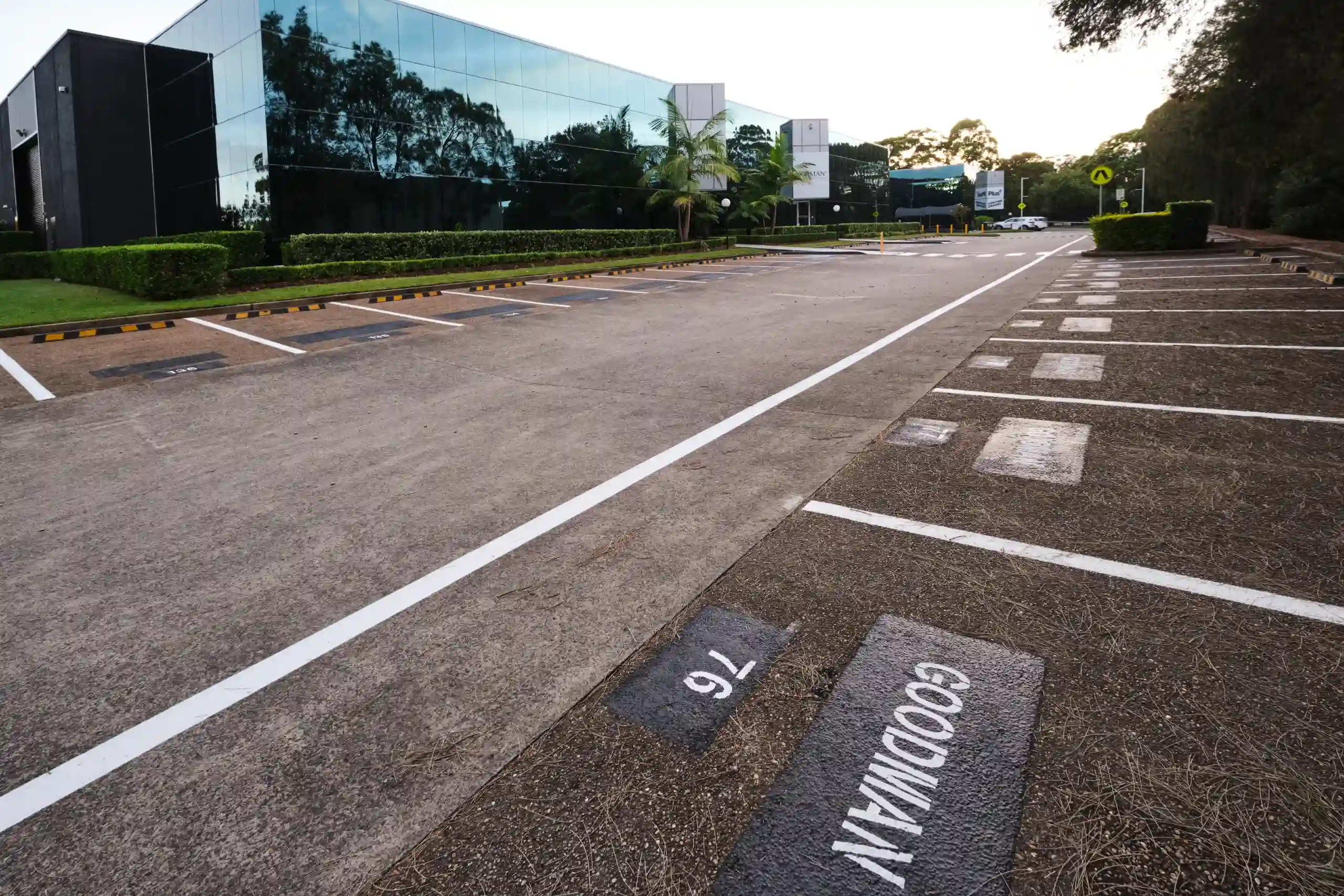
The watch-and-wait maintenance strategy is rarely the most budget-conscious. In fact, most of the more costly paint problems are those that were left too long. If you own a commercial property or manage an office, school, aged care facility or government building, preventative work can save you from dealing with more serious issues later. Once deterioration sets in, repairs can take longer, require more extensive preparation and add significantly to the overall cost of the project.
At Dukes, we’ve been transforming spaces since 1958. We regularly see the consequences when property upkeep is poorly planned. That’s why we encourage everyone to think about painting as more than a cosmetic upgrade. It’s maintenance.
What is preventative maintenance painting?
When we talk about preventative maintenance and commercial painting, we don’t mean repainting an entire building inside and out at arbitrary intervals. It’s about knowing the expected lifespan of the existing coating system, monitoring its condition and intervening before deterioration begins. Regular assessments are important, as is consistent cleaning.
Paint isn’t just aesthetic either. Depending on the product and surface, it helps protect the underlying material from weather, moisture and general wear. Once that protection starts to deteriorate, even slightly, damage can develop beneath the surface. By the time contractors are called in, what should have been basic preparation and minor repairs may involve peeling, cracking, exposed surfaces or corrosion that needs to be addressed first.
Commercial buildings have components that are regularly inspected, serviced and scheduled for attention. Painting should be approached in the same way. Planning ahead means the work can be coordinated with other projects, access can be arranged properly and disruption to staff, tenants or visitors can be minimised.
"Preventative maintenance gives you more control over the long term care of your asset."
How delayed painting can turn into a much bigger project
While we’ve established that delayed maintenance and ignored signs of deterioration can lead to bigger projects, it’s helpful to understand how that happens. Once a building’s protective coating is compromised, the issue may no longer be confined to a fresh coat of paint in one area. Repair requirements can quickly become more extensive. Access, for example, becomes more involved when problems spread across façades, upper levels or other hard-to-reach areas.
There’s also timing to consider. Planned works can be scheduled around the needs of the property, whereas reactive works may need to happen during the middle of a school term, a busy period in an office or around pre-planned events at an aged care facility.
Keep in mind that different elevations and parts of a building are exposed to different elements and will deteriorate at different rates. So, what are the early visual indicators that facility and property managers should be aware of? Fading, chalking, cracking, peeling and localised coating failure can all signal that it’s time to act.
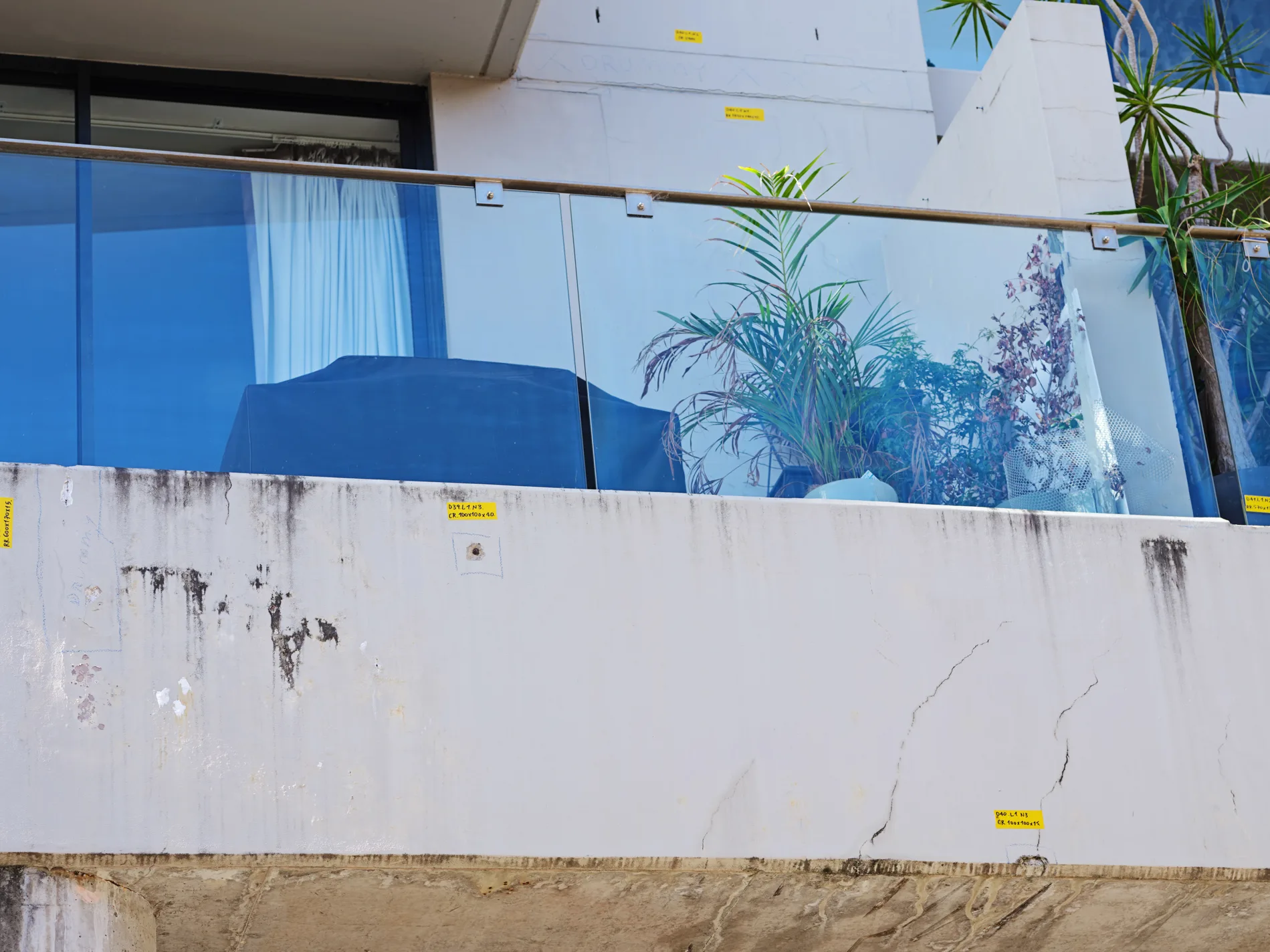
How to recognise when commercial painting maintenance is due
As mentioned, different coating systems, substrates and environments have different expected service lives, so knowing what was previously applied and when gives facility managers a useful reference point for planning. That’s why it’s important not to rely too heavily on generic timeframes, such as repainting every ‘X’ years.
The building’s maintenance history can tell you just as much. What was done last time? Was the entire building completed or only certain areas? Were some surfaces repaired or treated differently? Keeping good records can reveal which areas have needed attention more frequently and help inform what may be required next.
There are also limits to what you can determine from records and visual checks alone. A professional assessment can establish how the existing coating system is performing and identify issues that may not yet be obvious. This is particularly worthwhile when a coating is approaching its expected lifespan or its history is unclear.
Planning preventative painting around your commercial property
Commercial painting projects aren’t just substantial financial investments. They’re highly involved projects that require careful planning. Beyond choosing a date and booking a contractor, there may be access requirements, areas that need to be temporarily unavailable, communication with occupants or staff and other works or scheduled activities to consider. Part of the process is identifying the least disruptive window for the work and starting the conversation with a commercial painter well before it arrives.
Schools are the best example of why lead time matters. And while the final weeks of term are always busy as festivities increase and classes wrap up, it’s a good time to consider getting maintenance works and painting booked in over the summer holidays. That six-week window with no students and minimal staff makes it easier to manage access to classrooms, corridors and common areas while reducing interference with normal activities. But if you want the work completed over Christmas, the conversation needs to start well before the final bell rings.
Timing must reflect how a building or property is used. Like schools, aged care facilities require specific accommodations as they remain home to residents while works are underway. An occupied office is different again, with considerations around staff movements and working hours. Factoring these practical needs in from the outset helps determine the appropriate staging and scheduling for maintenance painting and repairs.
"Painting is more than a cosmetic upgrade. It’s maintenance."
Talk to the commercial painting experts about preventative maintenance
Preventative maintenance gives you more control over the long-term care of your asset. Rather than letting the condition of the coating force your hand, you can make informed decisions about what needs attention and when. For facility and property managers, that means treating painting as an ongoing responsibility that protects both the appearance and the structural integrity of the building.
Protect your property with a smarter approach to painting. Contact Dukes to discuss preventative maintenance.
By Paul Williams
General Manager
Key takeaways

Preventative maintenance painting
Knowing the expected lifespan and condition of the existing coating system helps inform when attention is required.
The cost of delaying maintenance
Failed coatings may expose surfaces to further damage and increase preparation, repair and access requirements.
No universal repainting timeframe
Coating systems, substrates, environmental exposure and previous works can all influence when different areas require attention.
Forward planning matters
Access, occupants, other scheduled works and suitable project periods can all be considered before work begins.
Frequent Asked Questions
What are the early signs that commercial painting maintenance is due?
Fading, chalking, cracking, peeling and localised coating failure are all visual indicators that require attention. Different parts of the same building can deteriorate at different rates, so the condition of individual areas should also be considered.
How often should a commercial building be repainted?
There is no single timeframe that applies to every building. Different coating systems, substrates and environments have different expected service lives, so previous applications, maintenance history and the current condition of the surfaces provide more useful guidance than a generic repainting cycle.
What happens when commercial painting maintenance is delayed?
Once a protective coating is compromised, deterioration may extend beyond the finish itself. What could have involved basic preparation and minor repairs may require failed coatings, cracking, exposed surfaces or corrosion to be addressed, while widespread problems can also make access more involved.
Why should schools plan painting before the summer holidays?
The six-week summer holiday period provides an opportunity to complete work for educational institutions with no students and minimal staff on site. This can simplify access to classrooms, corridors and common areas while reducing interference with normal activities, but the project needs to be organised well before the end of term.
How can facility managers plan preventative commercial painting?
Start with the expected lifespan and history of the existing coating system, including what was previously applied and which areas have required attention in the past. A professional assessment can provide further insight into its current performance, while early planning allows access requirements, occupants, staff movements and other scheduled activities to be factored into the project.
Recent projects


Recent projects


© Copyright Dukes Painting Services Pty Ltd. Website by Brilliant Digital