

Why Strata Committees Are Rethinking Building Repairs Before Repainting
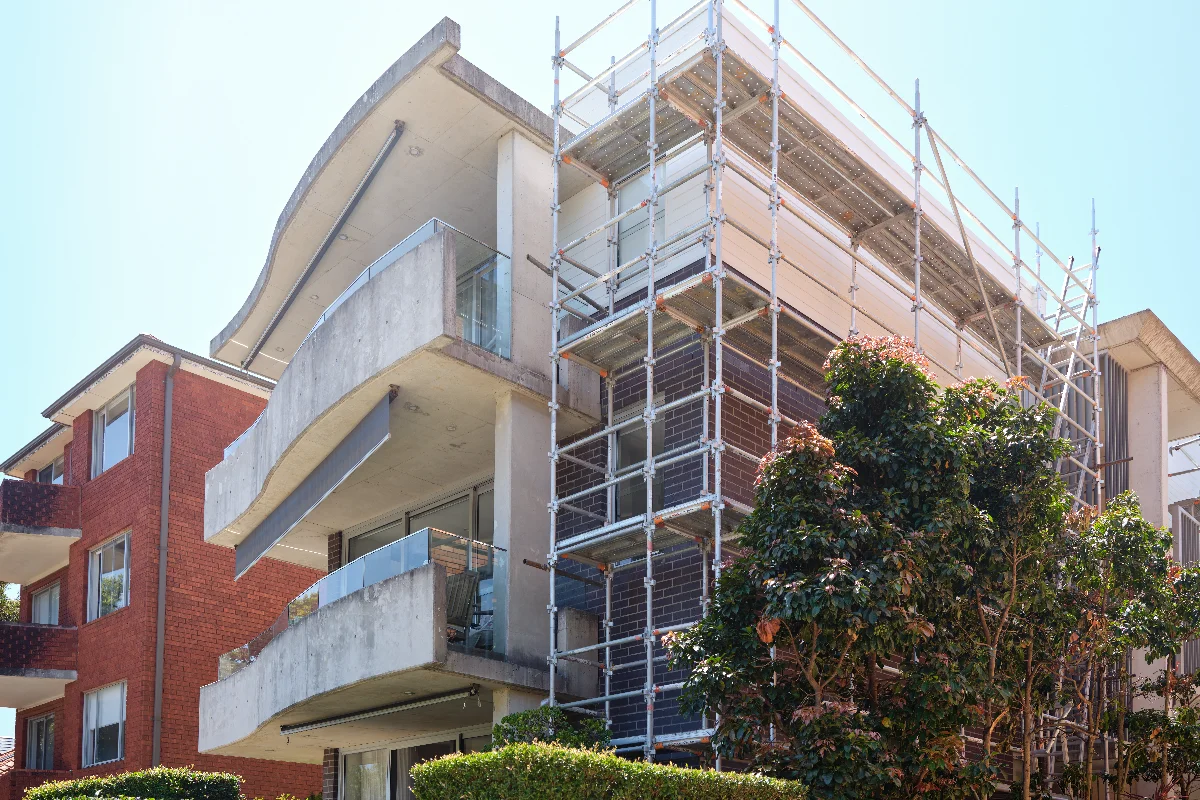
Not every expensive repair job starts with obvious signs of trouble. Not too long ago, strata owners and committees saw repainting as a task with a largely aesthetic purpose for the building. Today, they’re thinking more long-term about structural protection, maintenance cycles, the condition of the external facade, underlying defects requiring repairs before works begin, waterproofing, concrete, render and substrate issues and more. They’re also trying to avoid larger remedial costs in the future.
At Dukes, we’ve been transforming spaces with high-quality commercial painting solutions since 1958. We have extensive experience in Sydney’s strata sector, and we’re pleased the conversation is changing and that there’s now greater awareness that buildings typically need more than a wash and a coat of paint. It has always been the case that a coating system can only be as good as the surface it’s applied to.
What is driving strata committees to rethink remedial building repairs
For many committees, this shift isn’t the result of trends or evolving preferences. It’s come from experience and a growing understanding of how quickly smaller issues can turn into major expenses. Strata owners are under increasing financial pressure, and large remedial projects can become extremely expensive when defects are not addressed early. The introduction of the Design and Building Practitioners Act has also increased awareness of these issues.
Insurance is another major driver behind maintenance decisions. Some insurers are placing greater scrutiny on buildings that haven’t kept common property in good condition. External facades, waterproofing issues and visible deterioration can all impact insurance outcomes. In some cases, owners may even be required to repair and repaint the building to maintain insurability or reduce pressure on premiums. Proactive maintenance is becoming essential, not optional.
Education has also improved. Owners now have access to far more information than ever before.
Online articles, case studies, industry blogs and AI tools have all made it easier for them to independently research building repairs before engaging a contractor. Knowing the risks involved in repainting over unresolved defects, committees are now asking better questions and understanding that not all painting quotes are equal.
For owners and committees that have previously worked with contractors who painted the building without addressing underlying issues, they’re learning from those mistakes. They’ve likely experienced premature coating failure, recurring water issues or hidden defects reappearing after project completion. Now, they’re looking for more complete solutions that focus less on short-term cosmetic improvements and more on long-term asset protection.
“Strata repair and repaint projects are not cosmetic painting jobs and shouldn’t be treated as such.”
Where repair projects can still go wrong during planning
At times, a strata committee can still become too focused on the painting component rather than the repairs required beforehand. This is often more pronounced when owners compare quotes mainly on price instead of scope. Lower quotes can look appealing from a budget perspective, but they may not include everything the building actually needs, which can lead to poor outcomes later on.
Typically, a smaller subcommittee handles the building review, contractor discussions and project details. Once works begin, other owners often become more involved, despite not having gone through the same process or conversations. That disconnect can create confusion and concern very quickly, which is why communication with owners matters at every stage of the project.
Larger repair and repaint projects (over $100-200K) can become highly complex very quickly, particularly once scopes, access, repair quantities, variations, contractor management and progress claims are involved. Owners can still underestimate that complexity until works are already underway, which places significant pressure on volunteer committee members.
While repairing before repainting is essential, beware of the ‘all repairs included’ quotes. Some contractors offer lump sum pricing for simplicity and claim everything is covered. The problem is that this can create an incentive to minimise the amount of repair work actually carried out, resulting in rushed, missed or inadequate fixes hidden beneath the new paintwork. A more transparent approach involves clearly explained repair allowances, agreed rates, measured quantities, photographed repair locations and detailed reporting so owners have visibility over what was repaired and why.
Why the scope and tender process determine the end result
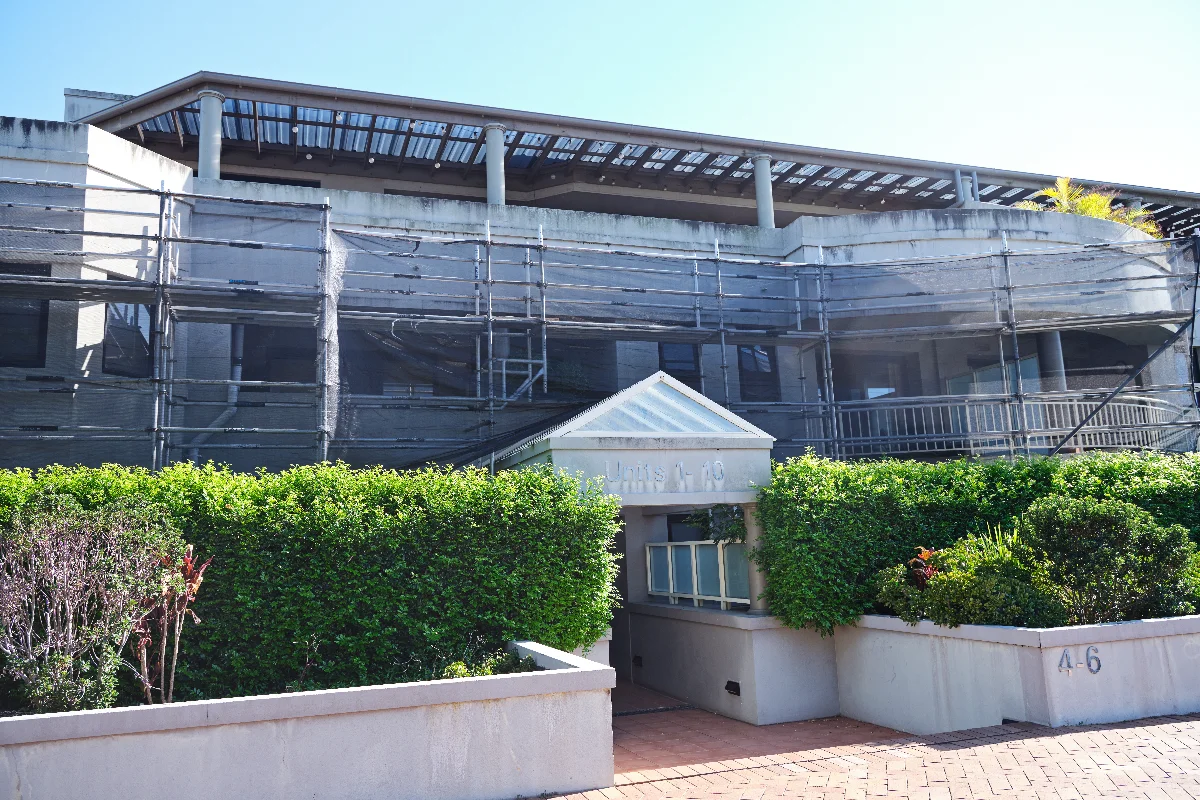
The quality of the scope and tendering process is directly linked to the end result. A vague scope leads to confusion, missed items, disputes and inconsistent pricing. When it’s comprehensive, strata owners, consultants and contractors have a shared understanding of the requirements.
Detailed quotes lead to better outcomes, and competitive tendering is important because it allows owners to compare contractors properly when everyone is pricing the same scope. If each contractor is quoting a different version of the job, the committee cannot make a fair or informed decision.
Some things strata owners should confirm before approving a repair and repaint project include:
- What surfaces are included
- What surfaces are excluded
- What repairs are required before painting
- How repairs will be measured and charged
- What paint system will be used
- What preparation is required
- How access will be managed
- Who will administer the contract
- Who will approve repairs, variations and progress claims
- How unexpected issues will be managed
“A coating system can only be as good as the surface it’s applied to.”
What should strata committees do to achieve the results they want?
Start by assessing the building properly so there’s a good understanding of the likely scale and complexity of the project. Before looking into pricing, consider the age of the building, facade condition, the presence of visible cracks, render issues, concrete defects and waterproofing concerns. It’s also important to determine whether the likely project value is over or under $100K, as this will help determine the right procurement pathway.
For larger projects (over $100K), a consultant-led approach often provides the best result. This involves an independent specialist managing the scope, tendering and project oversight to provide owners with guidance and reduce pressure on the committee. For smaller projects (under $100K), a contractor-led approach may be more suitable where the scope is straightforward, repair requirements are limited and the contractor is experienced, licensed and transparent. In either case, owners should be aligned on what is included, excluded and what success looks like.
And some committees find that a hybrid approach, where they work closely with an experienced contractor to help develop a practical scope and budget before moving forward, is best.
Talk to the experts in commercial strata painting
The main thing owners and committee members should keep in mind is that strata repair and repaint projects are not cosmetic painting jobs and shouldn’t be treated as such. Whether you choose a consultant-led, contractor-led or hybrid approach, the most important principle is transparency.
At Dukes, repairs, preparation and long-term performance are the foundation of every quote.
If your building is due for repairs or repainting, speak with our experienced team for practical advice and a detailed project assessment.
You can also download our strata painting checklist here.
By Paul Williams
General Manager
Key takeaways

Repainting involves more than presentation
Strata committees are placing greater focus on protection and long-term maintenance outcomes.
Smaller issues can become expensive quickly
More owners are acting earlier to avoid higher remedial costs later on.
Lower quotes do not always mean better value
Repair scope and preparation standards can vary significantly between contractors.
Strong planning supports stronger outcomes
A detailed scope helps reduce confusion, disputes and inconsistent pricing.
Frequent Asked Questions
Why are strata committees becoming more proactive about building repairs?
Many committees now better understand how quickly smaller defects can develop into major remedial expenses if left unresolved. Increased awareness around waterproofing, facade deterioration and structural issues has also shifted the focus toward long-term building protection rather than cosmetic repainting alone.
Why can cheaper repainting quotes lead to problems later on?
Lower quotes may not include all of the repairs, preparation or project management requirements the building actually needs. This can result in rushed or incomplete work, particularly when underlying defects are hidden beneath new paintwork after the project is finished.
What should be included in a strata repair and repaint scope?
A proper scope should outline included and excluded surfaces, required repairs, preparation standards, paint systems, access arrangements and how variations or progress claims will be managed. When contractors are pricing the same scope, owners are in a much better position to compare quotes fairly.
When is a consultant-led approach appropriate for strata repainting projects?
For larger projects over approximately $100K, a consultant-led approach can help manage tendering, project oversight and contractor selection. This often reduces pressure on volunteer committee members while helping owners navigate more complex commercial painting and remedial works.
Why is communication important during strata repair projects?
Projects often begin with a smaller subcommittee handling contractor discussions and project planning, while other owners become more involved once works are underway. Without regular communication, confusion and concern can develop quickly, particularly during larger strata repair and repaint projects involving variations or access disruptions.
Recent projects


Recent projects


© Copyright Dukes Painting Services Pty Ltd. Website by Brilliant Digital