

Strata Painting is Never Just Painting: What Every Building Owner Needs to Know
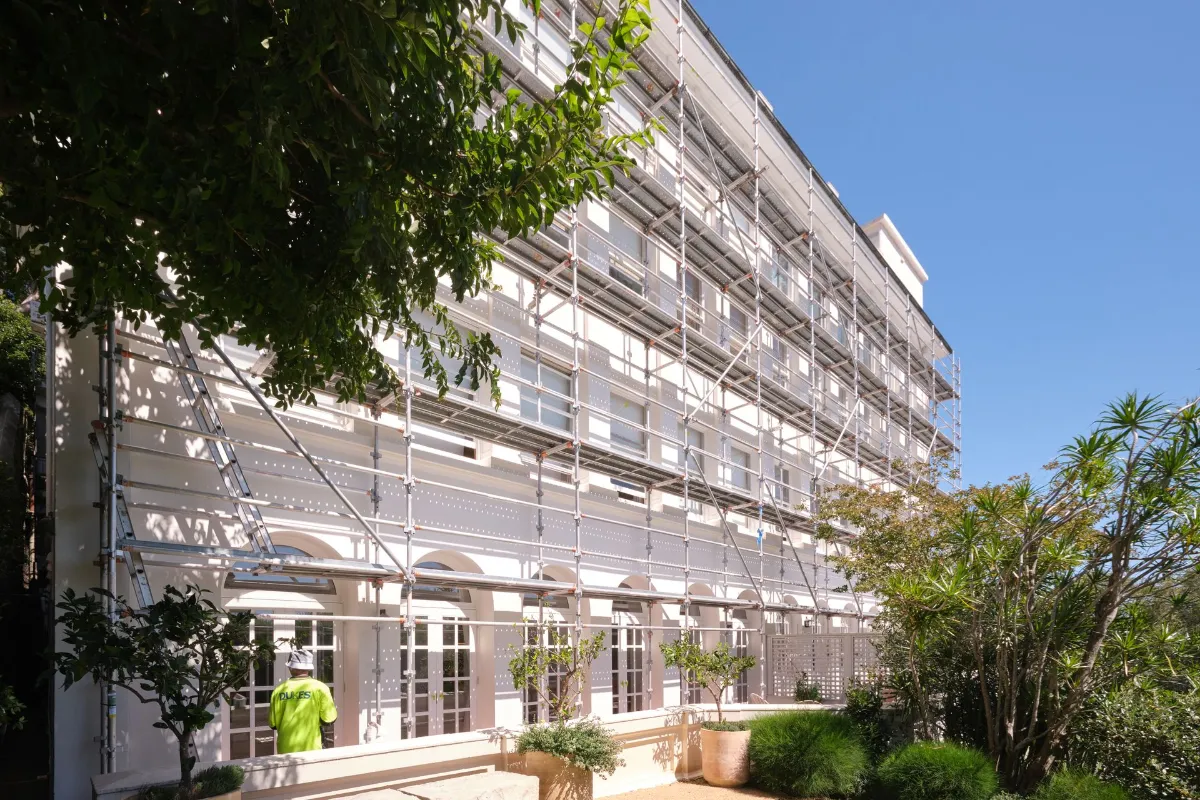
What you do not account for at the start is what costs you later. Most strata painting projects begin with cosmetic concerns, with little consideration for underlying building issues from owners and committees. But treating painting as a standalone task leads to confusion, inconsistent quoting and delayed decisions that can significantly increase expenses over time. The reality is that strata painting is rarely just painting.
At Dukes, we’ve been transforming spaces since 1958, with a strong focus on the strata sector. The gap between what is visible and what may be happening beneath the surface is one of the biggest causes of frustration and delays in strata maintenance. A more informed approach helps with planning, cost control and achieving lasting results.
“More than 70% of strata buildings need remedial repair before repainting.”
Why strata painting is rarely just a paint job
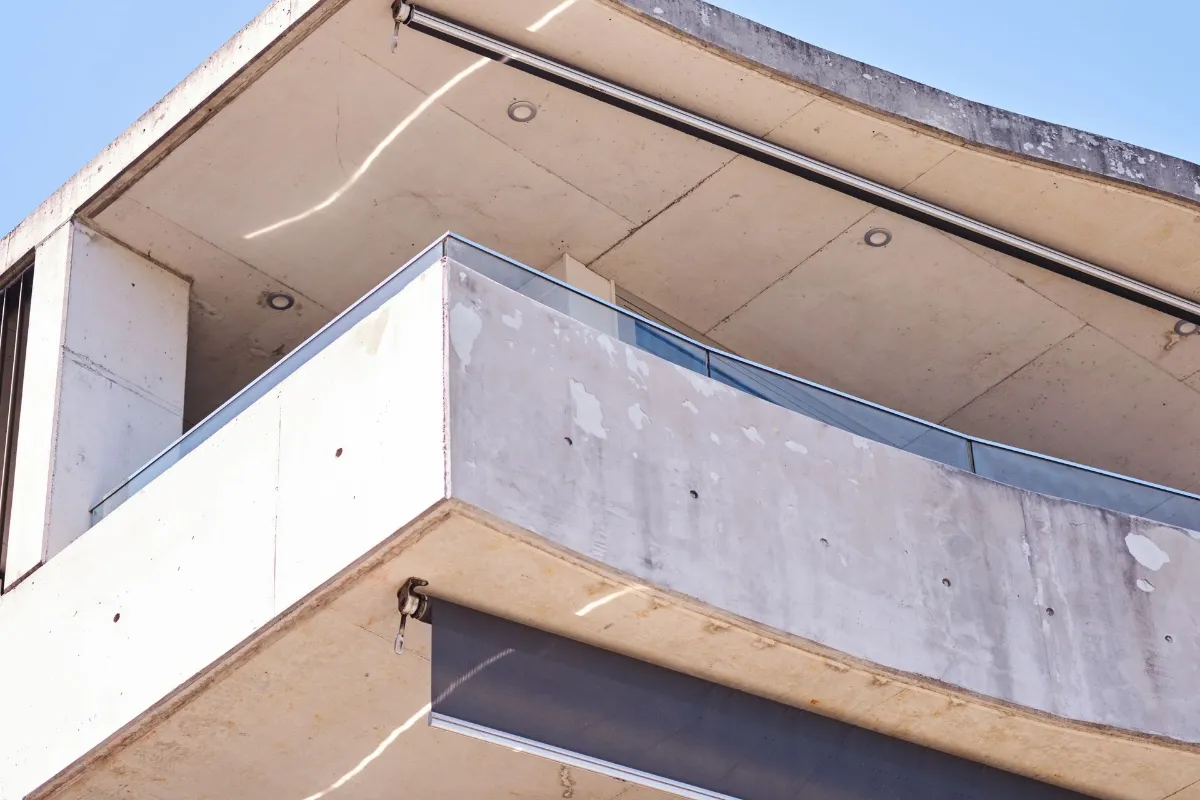
Most external strata painting projects involve some level of deterioration because buildings do not sit untouched by the elements. Constant exposure to weather, moisture, UV and movement takes its toll over time. Ageing materials and long-term wear create defects that are not always obvious at first glance. These issues develop slowly, which is why they are often missed or underestimated. And the condition of the surface will ultimately determine how well any paint system performs.
That’s why, in strata, preparation is often far more than simply washing, scraping, sanding and priming. It commonly includes non-structural remedial work such as concrete spalling, render, joint, timber and crack repairs, sealant replacement and localised waterproofing, along with patching areas where the substrate has deteriorated or become unstable.
If any of this is overlooked during quotation, whether through inexperience or shortcuts, the scope is likely to fall short, and the result will lack both quality and durability.
What quotes can vary, and budgets may seem uncertain
Once contractors attend the site, the project quickly starts to branch in different directions. Each contractor assesses the repair scope based on their own experience, capability, remedial knowledge, commercial approach and appetite for risk. Some will price repainting only because that is all that was requested. Some include rough allowances for repairs, others provide rates, and some attempt to cover everything in a lump sum. Owners are then left with multiple quotes that appear comparable but are not. This is where confusion begins.
Painting can be measured and priced with reasonable certainty around access, labour, materials, paint system and methodology. Repairs are different. Defects are not always visible from the ground and often only become clear once opened up, particularly if sitting behind coatings or render. They require close inspection and cannot be fully identified before work begins, which creates a gap between what is known at tender stage and what is actually there. This is where budget uncertainty comes in.
Owners typically want a clear fixed price from the start. It makes sense when the budget is so important. This means contractors are often asked to price repairs they can’t even see or quantify. Fixed pricing sounds ideal, but it isn’t reliable. If the scope isn’t complete, the number won’t reflect the same reality.
How different approaches impact outcomes
When the repair side of a project is not clearly defined early, quotes vary and decisions become harder to make. Most projects then fall into one of three approaches.
Contractor-led approach
This is the most common approach in the strata painting industry. Owners request quotes and contractors assess the building themselves, but each one diagnoses repairs differently. Allowances vary widely, from simply pricing repainting only to including provisional sums, rates or attempts to include everything. The process is quicker, but comes with inconsistency in pricing, assumptions and scope.
Consultant-led approach
This approach involves engaging a consultant or engineer before tender. It is more structured and provides clearer documentation, but comes with upfront costs and can make budgets appear higher. The consultant inspects the building, identifies defects, calculates repairs and prepares a clear scope for tender, resulting in more consistent quotes and easier comparison between contractors. It also supports better planning and a stronger basis for quality. In some cases, allowances may be conservative and costs higher than expected, but this is often due to a more accurate diagnosis rather than overpricing.
Hybrid approach
A middle ground, this approach improves visibility before final pricing by carrying out closer investigation prior to locking in scope and budget. This may involve rope or elevated access inspections, drone imaging or targeted opening up of suspect areas to improve diagnostic accuracy. It provides better budget clarity, fewer surprises during delivery and more reliable repair allowances. Like the consultant-led approach, it involves upfront cost, requires trust between parties and may not suit smaller projects.
“Strata painting is a major investment, and it should enhance the value of your asset while reducing future upkeep.”
How strata managers and committees should approach projects
It’s important for owners and committees to define the project and what they want to achieve early, before requesting quotes. This could range from improving presentation or updating colour schemes to addressing deterioration, water ingress or resetting the building’s maintenance cycle. If the goal is unclear, so will the path to procurement, which leads to misaligned expectations from the outset.
The owners corporation should reach agreement on what the building actually needs and the level of repair expected, including durability, budget certainty and whether there is willingness to invest upfront in proper diagnosis. Without this, projects can quickly lose momentum as some parties prioritise cost, while others choose longevity or presentation. This creates friction before any work has commenced.
Project size and complexity will also determine the approach. Larger or more uncertain jobs benefit from a stronger upfront diagnosis. There will always be a trade-off between upfront cost, speed and certainty, and owners need to decide which balance best suits their building.
Finally, when comparing quotes, make sure you are comparing scope, not just price. Quotes need to be assessed based on what has actually been identified and allowed for, not just the final number. Look at how repairs are measured, what is included or excluded and whether the contractor has the relevant remedial experience and appropriate licensing. A lower price may be appealing, but it often indicates a less accurate scope and unrealistic expectations.
Talk to the experts in strata painting
The most common mistake made in strata maintenance is delaying action due to confusion around the scope and price. The next is overlooking that repainting almost always involves some level of repair.
At Dukes, we’re licensed builders delivering complete painting solutions, with remedial works integrated into the project from the outset.
If you are planning a commercial or strata painting project, speak with our experienced team today for a comprehensive, accurate quote.
You can also view our strata painting checklist here.
By Paul Williams
General Manager
Key takeaways

Planning is critical to success
A well-executed strata painting project starts long before work begins, with careful scheduling, communication, and preparation.
It’s more than just painting
Effective projects include defect diagnosis, remedial repairs, safety management, and ongoing aftercare—not just applying paint.
Communication drives smoother projects
Keeping residents and committees informed throughout reduces disruption and improves overall project outcomes.
Strata painting is a long-term investment
Done correctly, it enhances property value while reducing future maintenance costs.
Frequently Asked Questions
Why is strata painting considered more than just painting?
Strata painting often involves underlying building issues that are not immediately visible. Exposure to weather, moisture and general wear leads to deterioration that affects how well any paint system performs. As a result, commercial painting projects in strata settings typically include remedial work such as crack repairs, sealant replacement and localised waterproofing.
What types of repairs are commonly involved in strata painting projects?
Preparation can extend well beyond surface work and often includes non-structural repairs. This may involve addressing concrete spalling, damaged render, joint failures, timber issues and unstable substrates. These elements are essential to ensure the durability and performance of the final paint system.
Why do strata painting quotes vary so much between contractors?
Each contractor assesses repair requirements differently based on their experience and approach. Some may only price repainting, while others include allowances or broader scopes of work. Because many defects are not visible until work begins, commercial painting quotes can differ significantly in both scope and pricing.
Is a fixed price reliable for strata painting projects?
Fixed pricing can be difficult to rely on when the full extent of repairs is unknown at the quoting stage. Many defects are hidden beneath existing coatings or materials and only become clear during the project. If the scope is incomplete, the quoted price may not reflect the actual work required.
What approach should owners take when planning a strata painting project?
Owners and committees should clearly define their objectives before requesting quotes, whether that is improving appearance or addressing deterioration. Agreeing on the level of repair, budget expectations and desired outcomes helps guide the process. Comparing quotes based on scope rather than price alone leads to more informed decisions in commercial painting projects.
Recent projects


Recent projects


© Copyright Dukes Painting Services Pty Ltd. Website by Brilliant Digital