

What School Facilities Managers Should Include in Their Summer Maintenance Scope
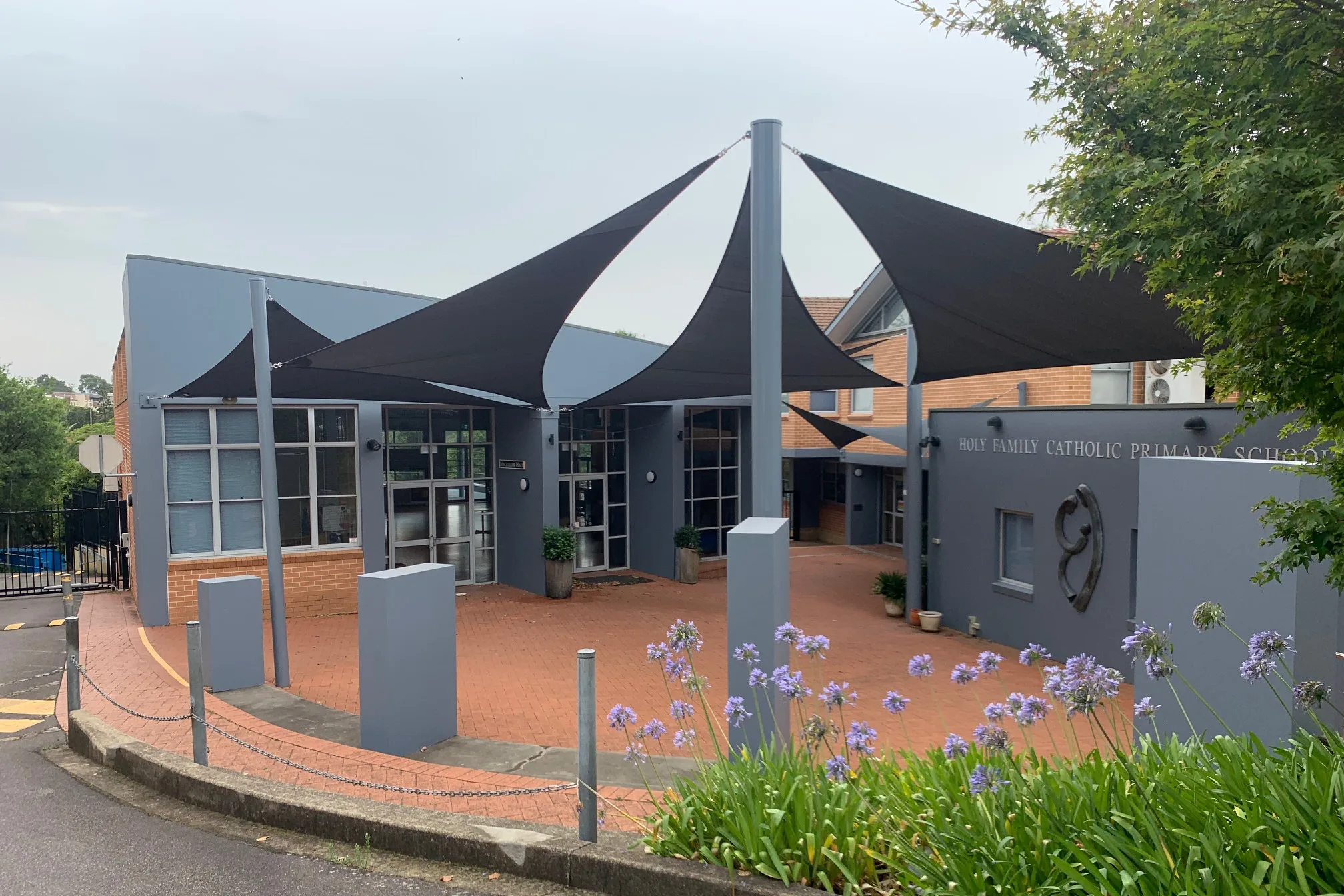
Six weeks might feel like plenty of time. But ask any kid enjoying their summer holidays or a commercial painter called in at the last minute to complete some urgent work before Term 1 begins, and they’ll probably tell you it goes by far too quickly.
The break provides an important window for school painting and maintenance while students and staff are away. But making the most of that time requires planning well in advance.
At Dukes, we’ve been transforming spaces in Sydney with comprehensive commercial painting solutions since 1958. We do a lot of work in the education sector, and we know how important it is to identify the full scope well before the final bell in December. For school facilities managers, that means looking beyond aesthetics to assess building condition, safety, access requirements and potential repairs.
Check the substrates before repainting
One of the biggest mistakes when assessing a school for repainting is focusing solely on the condition of the paint itself. Fading and peeling might be the most obvious signs that it’s time for maintenance, but what about the surface underneath? There could be cracked render, spalling concrete, rotting timber or corroding steel that isn’t immediately apparent. These problems need to be identified before work begins because another coat of paint isn’t going to fix them.
Another important consideration is water ingress because that’s another thing you can’t just paint over. Sometimes you’ll be able to see damp patches or staining around windows and ceilings, or white salt deposits on masonry, known as efflorescence. All of these warrant further investigation, especially around window perimeters, expansion joints and junctions between different materials, which are where failed sealants can allow moisture to enter.
There’s also the issue of hazardous materials, and this can be common in older school buildings where lead paint or asbestos may be present. Before finalising the scope of your project, the school’s asbestos register and any available lead paint information should be reviewed. The last thing anyone wants halfway through the job is a discovery that will require work to stop while the situation is assessed, with the associated delays and additional costs.
“Fading and peeling might be the most obvious signs that it’s time for maintenance, but what about the surface underneath?”
School maintenance areas that are often overlooked
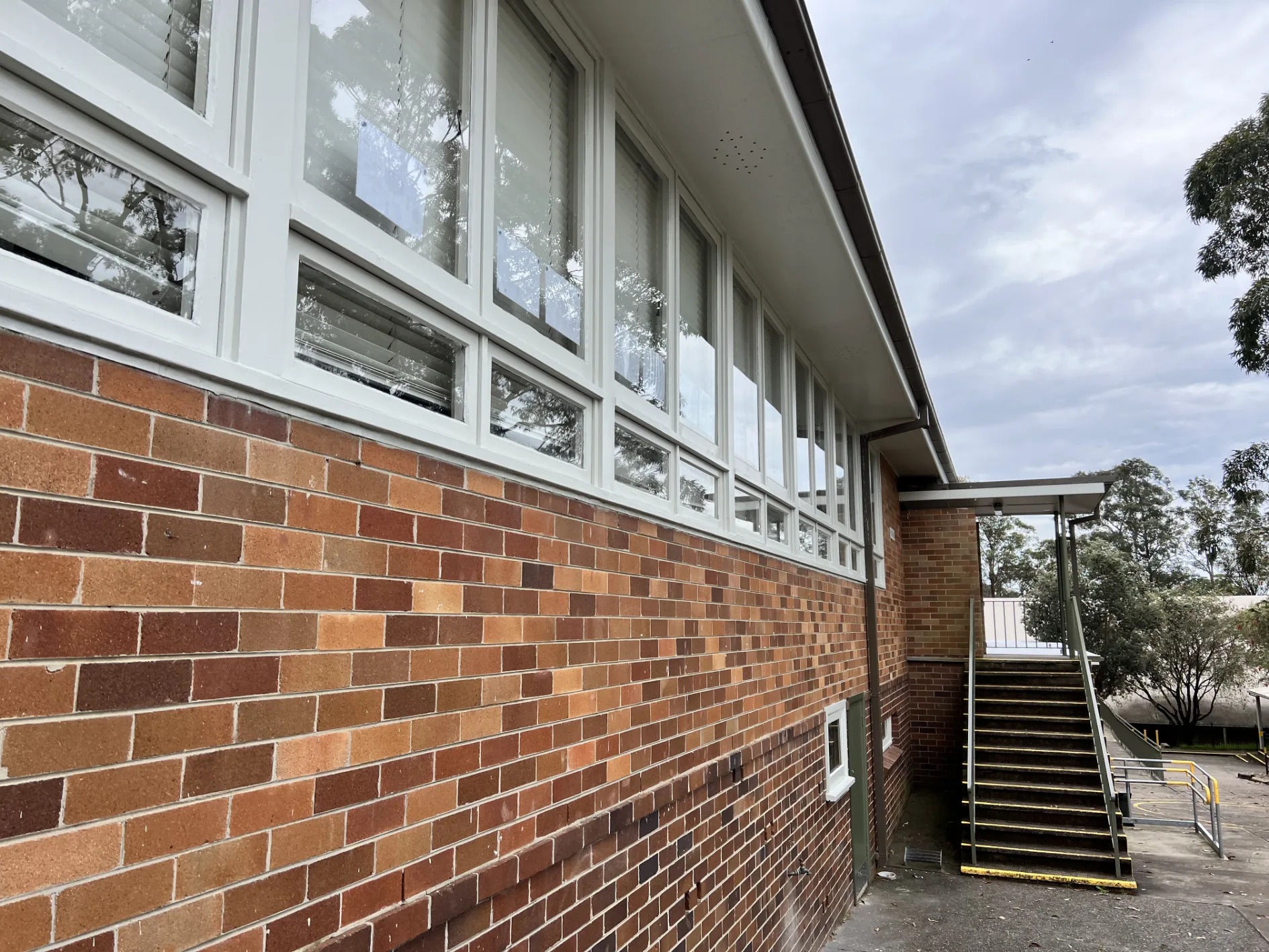
Some of the areas of a school most likely to be missed during maintenance planning are the ones that aren’t easily inspected from ground level or that don’t attract much attention during everyday operations. For example, eaves, fascias, gutters, upper facades and soffits are difficult to see clearly, but it’s common to find rotten boards, corroded gutters, cracked concrete or spalling around slab edges when you get close. And unfortunately, the full extent of the deterioration may not be known until scaffolding or other access equipment is in place.
Then there are the outdoor areas exposed to the elements and heavy foot traffic, like covered outdoor learning areas (COLAs), walkways, gates and fences. A proper inspection should cover all steel posts, beams, roof edges and the undersides of these structures, rather than just a skim of the visible surfaces. Things to note include rust around the bases of posts and at welded connections. If corrosion has progressed too far, treating and repainting the steel may no longer be enough, and repairs or replacement may be necessary.
Some areas take even more punishment. Think of the stairwells, balustrades and handrails that are subject to frequent contact and wear, as well as external doors and frames. Toilet blocks and other wet areas are also highly susceptible to moisture, mould and coating breakdown.
Demountables and older outbuildings can also be easily overlooked in favour of the main school facilities. By the time they receive attention, they may be well past the point of straightforward maintenance.
Prioritise maintenance according to risk and budget
So what happens, or should happen, when the maintenance works required exceed the available budget? Our best advice is to prioritise items according to the consequences of leaving them unattended. Work out what needs immediate attention and what can reasonably wait. Safety comes first. Anything that could pose a risk to students or staff should never be postponed to make room in the budget for other work, like spalling concrete above walkways, loose or corroded balustrades and handrails, and deteriorating lead paint in areas people can access.
Once all safety concerns have been addressed, the next priority is preventing further deterioration. Addressing failed sealants, exposed timber, active corrosion and water ingress makes financial sense too. These are the problems that typically become more expensive to rectify the longer they’re left. A faded colour scheme, on the other hand, may be perfectly fine to leave for another year if the existing coating is still doing its protective job.
Not all items on the maintenance list can be checked off in one holiday period. That’s normal. We recommend developing a condition-based programme over two or three summers rather than treating each one as a separate exercise. This gives schools a better idea of what they’ll need to spend in the coming years and helps avoid the cycle of unexpected repairs and reactive spending.
Plan scope early to make the most of the summer break
Ideally, planning for summer maintenance for NSW schools should begin in Term 3 or early Term 4. That allows time for inspections, approvals and contractor engagement before the holidays begin. With only around six weeks available, delays at the outset can leave considerably less time for the actual work.
When organising the work, there are a few practical things to account for:
- Make the most of an empty school. Schedule scaffolding over entrances, noisy or dusty repairs, lead paint work and painting in high-traffic areas. Less disruptive work may be suitable for weekends or shorter breaks.
- Work out access requirements early. Plan for scaffolding and elevated work platforms (EWPs), particularly where several areas need the same equipment.
- Allow for the unexpected. Hidden defects or poor previous repairs may only become apparent once work begins. Leave some flexibility for additional repairs and approvals.
Where possible, it’s best to complete all necessary work at height while access equipment is already in place, rather than paying to bring it back later.
“A faded colour scheme, on the other hand, may be perfectly fine to leave for another year if the existing coating is still doing its protective job.”
Talk to the commercial painting for education experts
Term 4 is typically a busy one, and Christmas appears quicker than expected each year! At Dukes, we understand the pressures of the school calendar and can help you determine what’s realistic with the time available.
If you’re planning painting or maintenance works at your school, contact Dukes to discuss your project requirements.
By Paul Williams
General Manager
Key takeaways

Look beneath existing coatings
Cracked render, timber decay and concrete deterioration may require repairs before repainting.
Inspect commonly missed areas
High-level structures, external steelwork and older outbuildings deserve particular attention during maintenance planning.
Prioritise according to risk
Address safety concerns and protective repairs before allocating funds to cosmetic improvements.
Prepare before summer begins
Early inspections, approvals and access planning help schools use the holiday period effectively.
Frequently Asked Questions
What should NSW school facilities managers include in a summer maintenance scope?
A school summer maintenance scope should cover the condition of existing surfaces, potential remedial repairs, water ingress, hazardous materials and access requirements. It should also identify safety concerns and areas that may have been overlooked during routine maintenance.
What building defects should schools check before repainting?
Cracked render, spalling concrete, rotting timber and corroding steel should be identified before repainting begins. Facilities managers should also investigate damp patches, efflorescence and failed sealants, as applying paint will not resolve the underlying problems.
When should Sydney schools start planning their summer painting and maintenance works?
Ideally, planning should begin in Term 3 or early Term 4 to allow sufficient time for inspections, approvals and contractor engagement. With approximately six weeks available over summer, schools should identify work that requires an unoccupied site and establish access requirements before the holidays begin.
Which areas of school buildings are commonly overlooked during maintenance?
Eaves, fascias, gutters, upper façades and soffits can be difficult to inspect from ground level in a school environment. Covered walkways, COLA structures, handrails, toilet blocks, demountables and older outbuildings are also frequently overlooked or left until deterioration has progressed.
How should schools prioritise maintenance when budgets are limited?
Safety concerns should take priority, particularly defects that could endanger students or staff. Protective maintenance, including repairs to failed sealants, exposed timber and active corrosion, should follow before cosmetic improvements. Lower-priority work can be incorporated into a condition-based programme over two or three summers.
Recent projects


Recent projects


© Copyright Dukes Painting Services Pty Ltd. Website by Brilliant Digital