

The Biggest Mistake Strata Committees Make When Planning Painting Works
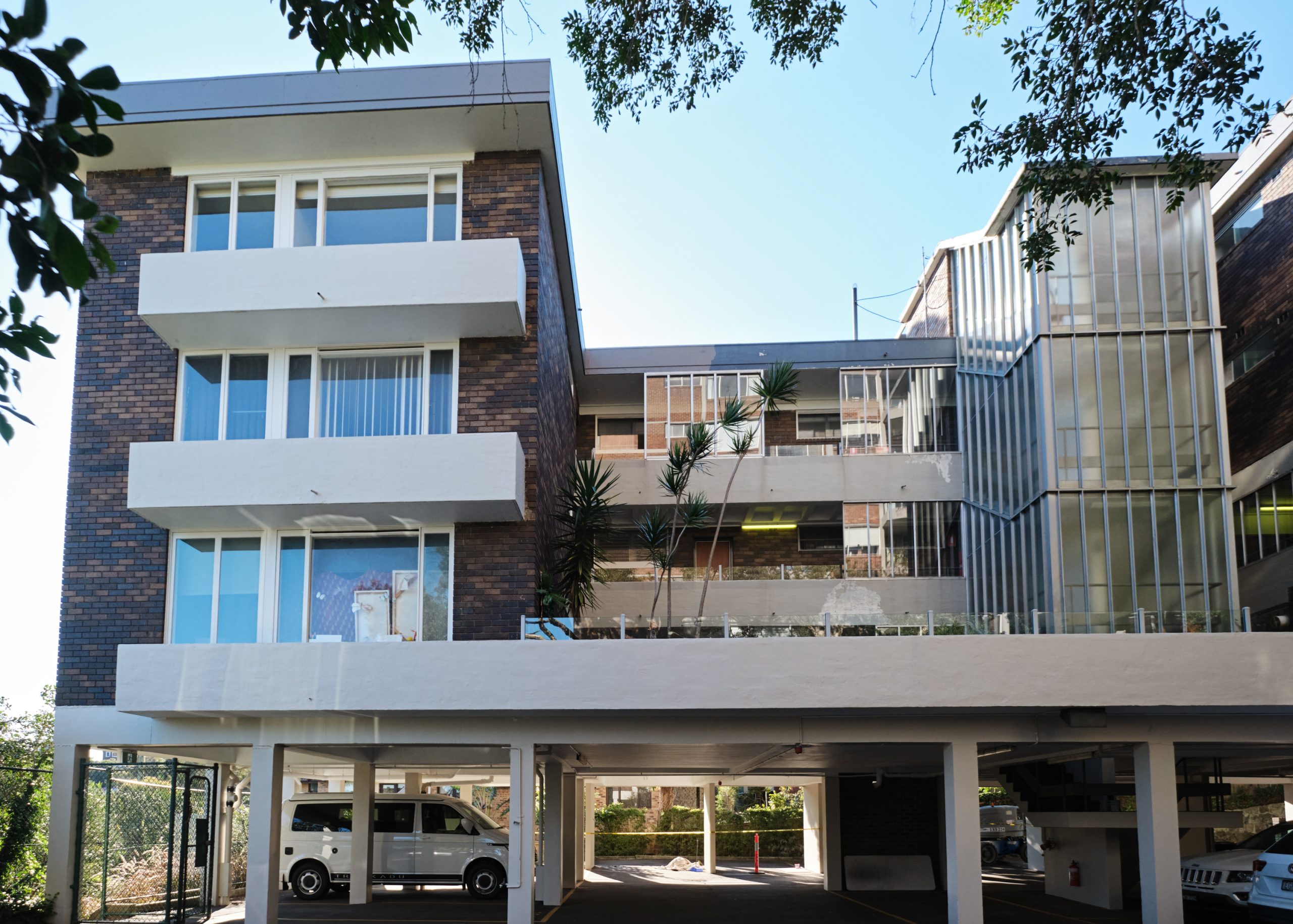
It’s the things you can’t see during the tender process that will most likely have the biggest impact on the outcome of the project. Strata painting is a complex job made more challenging by the pressures that committees face when comparing contractor proposals. Price is very important, but the biggest mistake we see is falling for the false security of an all-inclusive quote.
At Dukes, we’ve been transforming spaces across Sydney with high-quality commercial painting solutions since 1958, including strata buildings. We know that in today’s economic climate, keeping costs under control matters. However, all-inclusive quotes can still lead to budget surprises, reduced transparency and uncertainty around the repair work completed. Before you sign on the dotted line, here’s what you need to know.
Why fixed-price, all-inclusive quotes can be so misleading
The challenge isn’t poor planning. The reality is that not every defect can be identified during a ground inspection or pre-tender assessment. Most strata buildings harbour issues behind paint systems, sealants, joints, concrete surfaces and façade elements. The full extent of those repairs often only becomes apparent once contractors gain access to the building and begin preparing surfaces for repainting. This is particularly common in older buildings that have accumulated years of weather exposure and deferred maintenance.
So, if some of the biggest issues cannot be fully seen, how can they be accurately accounted for in an all-inclusive quote? Some contractors combine painting and repair works into a single figure without clearly separating repair allowances, assumptions or exclusions. It sounds simple and reassuring. Everything is included. But when one proposal bundles everything together, and another breaks repairs out separately, committees are no longer comparing the same scope of work.
It’s understandable that a quote that seems comprehensive and comes with a ‘fixed price’ label is attractive. Committees are often managing budgets on behalf of dozens or even hundreds of strata owners. Predictability helps and reduces concerns about unexpected expenditure. It’s also far more straightforward to explain to owners than a lengthy, itemised scope. Buildings are almost never that predictable. It may feel like certainty and controlled costs now, but it can create problems later.
"Hidden defects don’t disappear just because you received an all inclusive strata painting quote."
What really happens when repairs are hidden inside a quote
Well, hidden defects don’t disappear just because you received an all-inclusive strata painting quote. The building still has unknowns, and the extent of those issues will become clear eventually if surfaces are being properly prepared for repainting (and if they aren’t, you’re not going to like the long-term result of painting over defects, either).
The question is, who pays for those repairs? Because the economics of the project do not magically change. Labour, materials and access costs remain the same regardless of how a proposal is presented. If repair requirements exceed what was originally allowed for, those costs must be absorbed somewhere.
Ultimately, the committee may know the final figure when they accept a fixed price quote, but they will have little understanding of what work has actually been completed. Without separate reporting, owners cannot see where money was (or wasn’t) spent, making it impossible to verify whether defects were rectified, monitored or just painted over.
Paint systems can look successful and aesthetically pleasing at first, regardless of the condition underneath. But that appearance won’t last if underlying defects have not been properly addressed. Deterioration can reappear long after the project has been signed off, but much sooner than you would expect given the investment. By then, the committee that approved the works may no longer be involved, and any opportunity to understand what happened during the project has disappeared.
The questions every strata committee should be asking commercial painting contractors
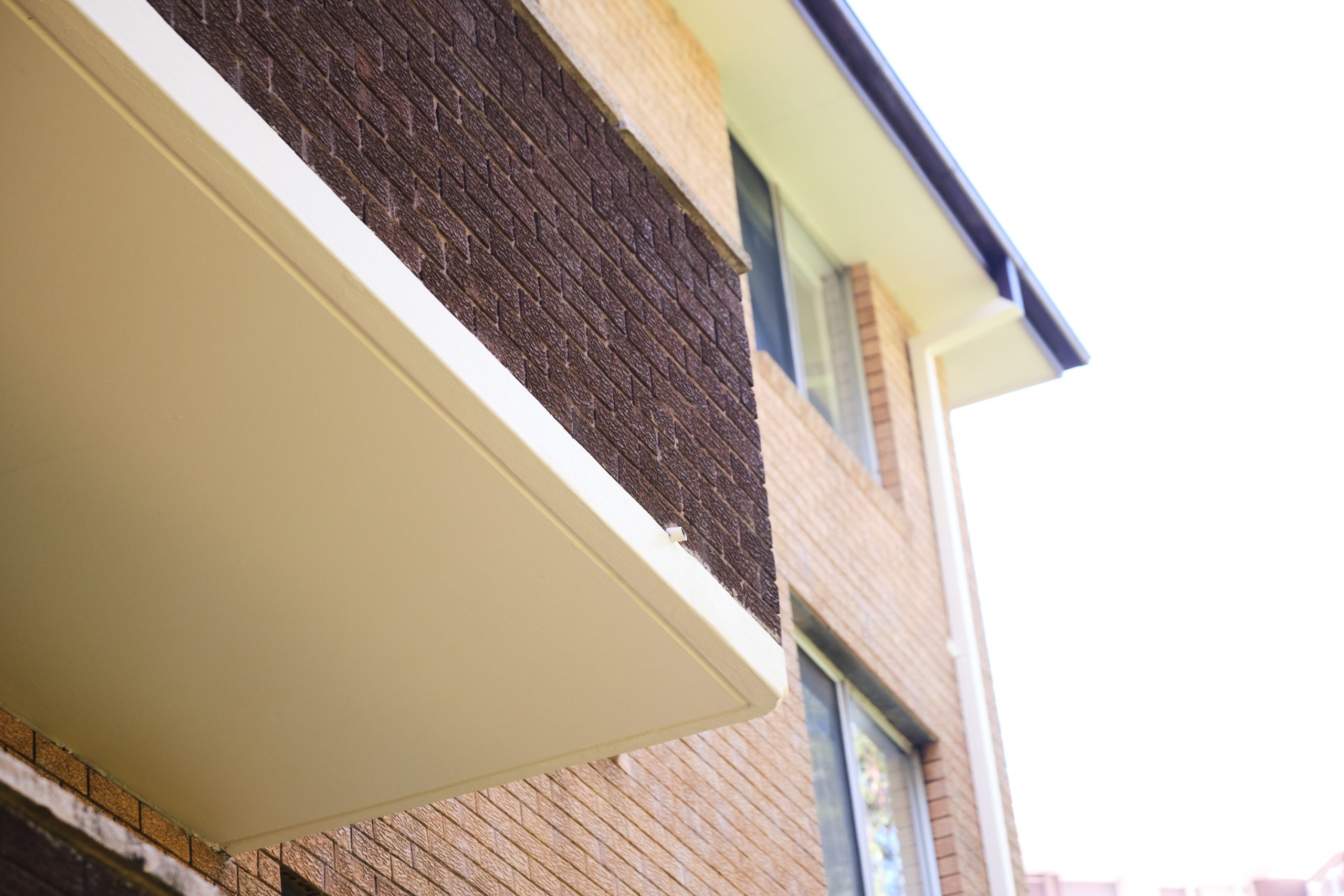
Before awarding a strata painting contract, committees need to understand more than the final figure. By asking the right questions, you can clarify what is included, how unexpected defects will be handled and how owners will know what work has actually been completed.
The questions you really need answered:
- What repairs have been included in this proposal?
- What assumptions have been made about the condition of the building?
- What has been excluded from the scope?
- How will defects discovered during the works be documented?
- How will additional repairs be priced and approved?
- Will owners receive photos or reports showing completed repairs?
- Who decides whether a defect is repaired, monitored or left alone?
- How often will progress updates be provided?
- What evidence will be supplied at the end of the project?
"When one proposal bundles everything together and another breaks repairs out separately, committees are no longer comparing the same scope of work."
What transparency looks like in strata painting projects
Quality reporting during remedial repairs documents defects as they are discovered, investigated and rectified. Photographs provide an objective record of the building’s condition before, during and after the project. Regular communication also ensures committees remain aware of significant findings and decisions as works progress, rather than only receiving information at the end.
Good documentation also creates accountability for everyone involved in the project. Future committees can refer back to reports and photographs when planning maintenance or investigating defects, giving them access to clear and reliable records of what was done and why.
Talk to the experts in commercial strata painting
A strata painting project is a significant investment, and committees deserve to know exactly what work is being carried out on their building. A quality, experienced contractor won’t just provide a figure. They will provide the information and reporting needed to make informed decisions before, during and after the work is complete.
As licensed builders, Dukes can assess and price a wide range of repair works before a project begins. What we won’t do is pretend every defect can be identified from the ground. If you’re planning a strata painting project, speak with our team about a solution built around the condition of your building and the long-term performance of the finished result.
By Paul Williams
General Manager
Key takeaways

Hidden building issues
Some problems only become visible once access equipment is installed and surfaces are prepared.
Beyond the number
A single figure on a quote can mask important assumptions, allowances and exclusions.
Comparing proposals properly
Committees need enough detail to understand what each contractor is offering.
The value of documentation
Photographs and reports create a reliable record for future decision-making.
Frequent Asked Questions
How can strata committees compare commercial painting quotes fairly?
Comparing commercial painting quotes requires more than looking at the final figure. Committees should review what repairs have been included, what assumptions have been made about the building’s condition and whether any exclusions apply. If one proposal bundles repairs into a single figure while another separates them, the scopes may not be directly comparable.
Why can't all building defects be identified before painting works begin?
Many defects are hidden behind paint systems, sealants, joints, concrete surfaces and façade elements. The full extent of some issues only becomes apparent once contractors gain access to the building and begin preparing surfaces for repainting. This is particularly common in older buildings with a history of weather exposure and deferred maintenance.
What should be included in reporting during a strata painting project?
Effective reporting documents defects as they are discovered, investigated and rectified throughout the project. Photographs provide a record of the building’s condition before, during and after the works, while regular updates help committees stay informed about significant findings and decisions.
Why is documentation important after a commercial painting project is complete?
Documentation creates a reliable record of the work completed and the condition of the building at the time of the project. Future committees can refer back to reports and photographs when planning maintenance or investigating defects, rather than relying on incomplete information or assumptions.
What questions should strata committees ask before awarding a painting contract?
Committees should ask what repairs have been included, what assumptions have been made about the building’s condition and what has been excluded from the scope. It is also important to understand how defects discovered during the works will be documented, how additional repairs will be priced and approved and what evidence will be supplied at the end of the project.
Recent projects


Recent projects


© Copyright Dukes Painting Services Pty Ltd. Website by Brilliant Digital