

Why Painting Matters When Insurers Assess Building Condition

Every exterior tells a story, and those details shape how insurers assess buildings. The way painting has been maintained matters because it reveals more than appearance alone. Insurers can read the condition of the paintwork as a sign of how well the building resists moisture and weather, and whether upkeep has been consistent. Those impressions have a real influence on the outcome.
At Dukes, we’ve been transforming spaces since 1958 with high-quality commercial painting solutions. We know our work does more than improve aesthetics. It plays a direct role in keeping structures safe and stable long-term. We’ve also seen the consequences of poor condition reports from insurers first-hand. Here’s what you need to know.
What insurers really look for
Insurers focus on paintwork early in their assessment because it shows more about a building’s upkeep than most people realise. Typically, after noting general presentation and cleanliness, the first thing they check is the maintenance history. A pattern of proactive work is a green flag for responsible management, while a history of reactive work suggests the opposite.
From a visual perspective, insurers will examine the external coatings on façades, trims, windows and steelwork to determine whether these surfaces still provide adequate protection or if they’re showing early signs of coating breakdown. Any evidence of water ingress or waterproofing failure will quickly raise concern levels, as that often indicates deeper problems behind the surface.
Defects such as cracks, rot, rust and mould also suggest that protective systems have started to fail, which again points to reactive management. From there, insurers assess how well the building envelope guards against moisture, UV and corrosion. A structure that shows deterioration in these areas is treated as a higher risk, while one with sound coatings and visible upkeep is seen as a lower risk.
Insurers focus on paintwork early in their assessment because it shows more about a building’s upkeep than most people realise
How professional painting impacts insurance risk
Professional commercial painting impacts insurance risk because strong asset management means fewer expected claims in the future. When repainting is carried out on time, including all necessary remedial work, it reassures insurers that issues are addressed before they escalate, which means preventable failures are unlikely to occur. For insurers, it becomes a matter of stewardship and consistency.
Modern coating systems strengthen this further by providing measurable fortification to the building envelope. High-quality membranes and primers guard against moisture, corrosion and deterioration of the substrate, which helps maintain the structure’s integrity over time. When insurers see that a building is protected with contemporary systems and supported by routine repaint cycles, it reinforces that appropriate care standards are in place.
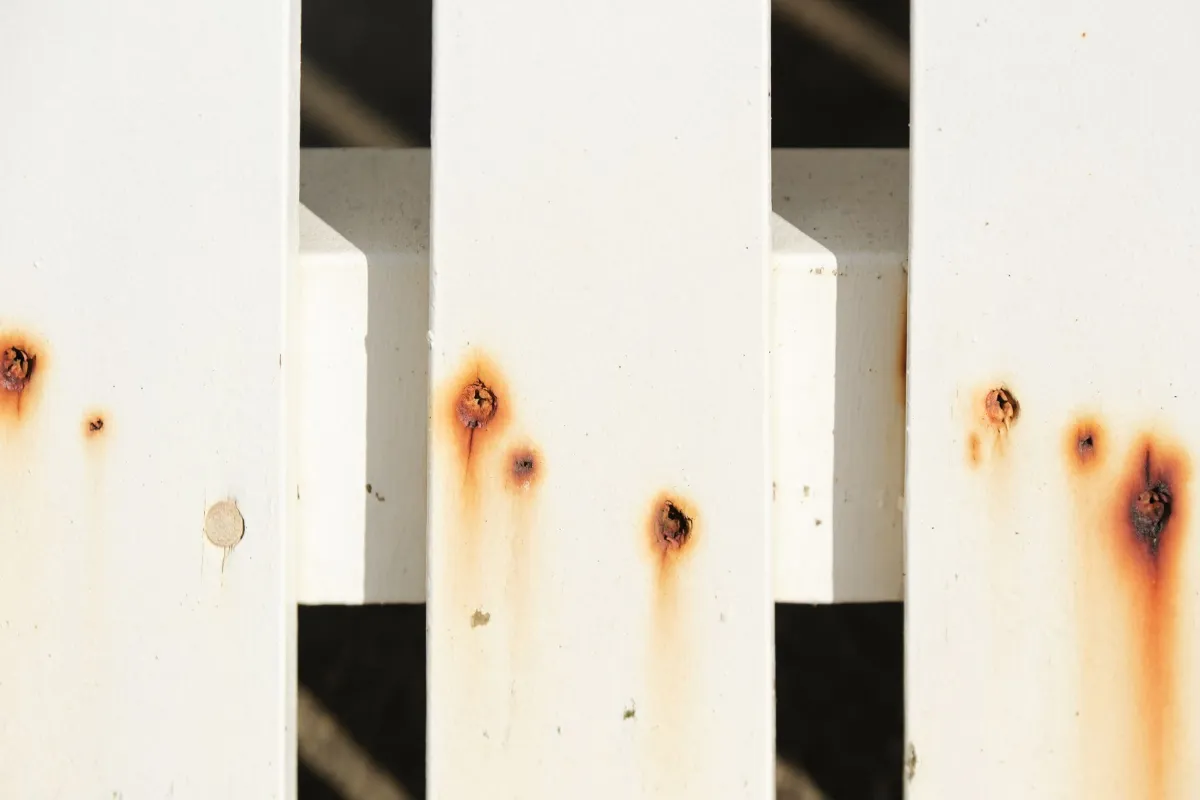
When repaint cycles are missed, coating failure exposes cracks, corrosion, failed sealants and signs of water ingress.
The insurance risks of neglect
Neglected paintwork becomes a problem for insurance purposes, not because peeling or fading is the issue itself, but because it exposes what is happening beneath the exterior. It may not be the direct cause of a premium increase, but it is often the clue that leads insurers to the flaws that are responsible for it.
When repaint cycles are missed, coating failure exposes cracks, corrosion, failed sealants and signs of water ingress. These defects signal that the building envelope is no longer functioning as it should, and insurers view this as a sign of elevated risk. In many cases, we have seen premiums increased simply because visible deterioration showed that repairs which should have been completed during a normal repaint cycle were never carried out.
Many government projects now require façade repairs before any repainting begins, and the same approach is proving helpful for strata and commercial buildings. When essential repairs are completed ahead of an insurance assessment, owners are in a stronger position because obvious weaknesses have already been addressed. Fresh paint then works hand in hand with those repairs to give insurers a more accurate view of the building’s condition.
Neglected paintwork becomes a problem for insurance purposes, not because peeling or fading is the issue itself, but because it exposes what is happening beneath the exterior.”
Coatings and practices that align with insurer expectations
Insurers place significant value on the protective performance of a building’s coating system, which is why the products selected and the application method matter. Elastomeric and membrane coatings are widely used on façades because they help resist cracking and moisture penetration, both of which are red flags during an insurance review. Structural steel, fire stairs and exposed metalwork benefit from anti-corrosive primers and durable topcoats that slow the onset of rust. On concrete surfaces, high-build systems help reduce carbonation and protect the underlying structural elements.
Meeting insurer expectations also requires a planned approach to upkeep. Routine condition assessments and repaint cycles every seven to 10 years will demonstrate that the building is managed consistently and proactively. Completing repairs, such as crack stitching, rust treatment, failed sealant replacement and render rectification before painting, prevents the types of defects insurers classify as avoidable.
Scheduled maintenance, including regular washing to remove pollutants and contaminants, also prolongs the coating’s life and supports the building’s visual presentation.
Using maintenance records in the process
Detailed maintenance records play an important role when insurers assess a strata or commercial property. Documents such as dated photos, inspection reports and completed works records help demonstrate that repainting has been carried out in a planned, proactive and consistent manner. It also shows that defects were identified and addressed early rather than allowed to develop into conditions insurers consider avoidable.
These records also become useful during the renewal and claims process. A clear maintenance plan combined with a documented repaint timeline can strengthen renewal discussions and help prove that any recent damage was sudden and accidental rather than a case of neglect. Baseline reports from previous inspections provide insurers with a reliable reference point for assessing deterioration or the impact of an incident, which can lead to a smoother and more accurate outcome.
Talk to the commercial painting experts
Paintwork is part of risk management, not a simple matter of aesthetics. Investing in commercial painting is essential because it supports the building in ways that go well beyond appearance, from compliance to long-term protection and even insurance costs.
At Dukes, we understand how much building condition influences insurance outcomes, and our focus is on delivering commercial painting and remedial work that strengthens both presentation and protection.
If you manage a strata or commercial property and want to improve its condition before your next renewal or assessment, we can help. Contact us today to discuss your project or request a quote.
By Paul Williams
General Manager
Key Takeaways

Paintwork reveals maintenance history
Not just aesthetics. External coatings give insurers insight into how consistently a building has been looked after.
Well-executed professional painting reduces perceived insurance risk
Good coating systems plus timely remedial work demonstrate strong asset management and can lead to lower risk assessment.
Neglected paint isn’t a cosmetic issue
It signals deeper problems. Peeling, faded or failed coatings expose cracks, rust, failed sealants, or water ingress — all red flags for insurers.
The type of coatings and maintenance practices matter
Durable systems and regular repaint cycles, combined with proper remedial repairs, help demonstrate structural protection and upkeep.
Frequently Asked Questions
What do insurers really look for?
Insurers examine paintwork early because it reveals how well a building has been maintained over time.
How does professional painting impact insurance risk?
Timely painting (with remedial work if needed) demonstrates good asset management, which lowers the likelihood of future claims and helps insurers view the building as a lower risk.
What are the insurance risks of neglect?
Neglected paintwork isn’t just cosmetic — it can expose cracks, corrosion, failed sealants or water ingress, all of which raise red flags for insurers.
What coatings and practices align with insurer expectations?
Insurers favour durable coatings (e.g. elastomeric membranes, anti-corrosive primers, high-build finishes) and regular repaint cycles (every 7–10 years) combined with proper remedial repairs.
Why are maintenance records important?
Maintenance history — including dated photos, inspection reports and documentation of previous works — helps show proactive upkeep, supporting smoother insurance assessments and renewals.
Recent projects


Recent projects


© Copyright Dukes Painting Services Pty Ltd. Website by Brilliant Digital