
South Steyne (Dungowan), Manly

Strata and heritage painting

Project Value: $44,000 + GST ($48,400 incl. GST)
Duration: 6 weeks
Status: Complete
Building’s original construction: 1919

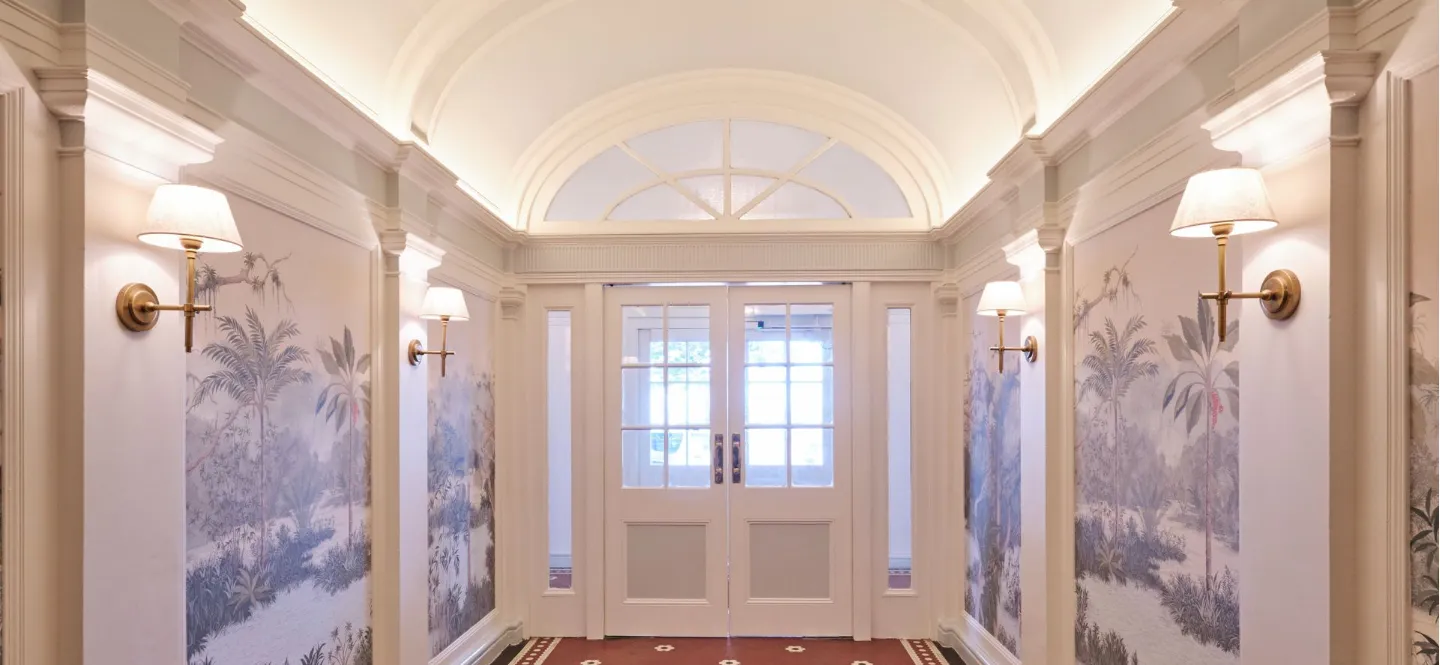
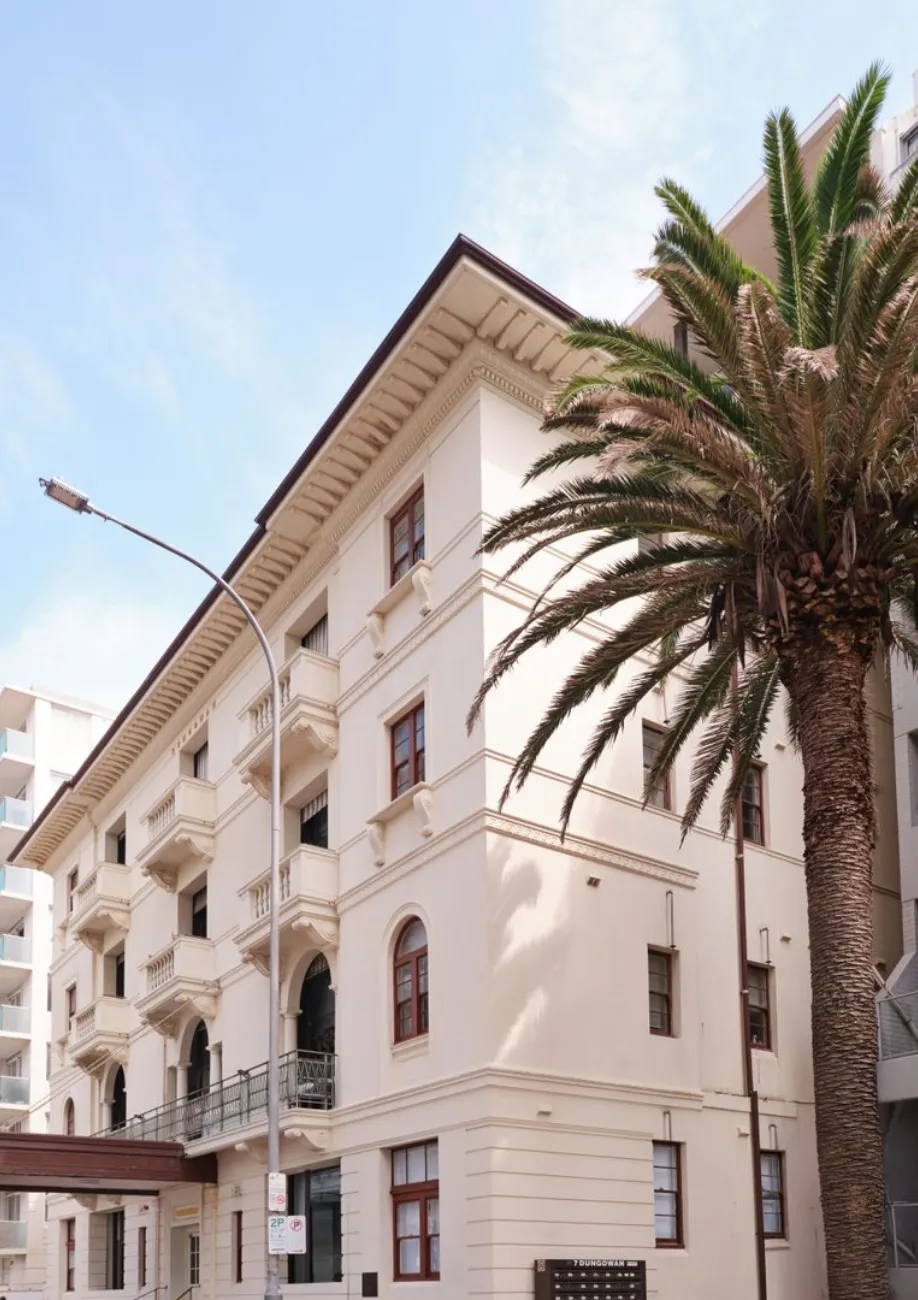
Dungowan was built in 1919 and is more than an apartment building. It is one of the defining residential buildings along the beachfront in South Steyne in Manly. For this stage of works, we repainted the lobby and internal common areas to improve overall presentation while carefully preserving the original architectural features and detailing. The exterior repaint will be undertaken at a later date.

Project Overview

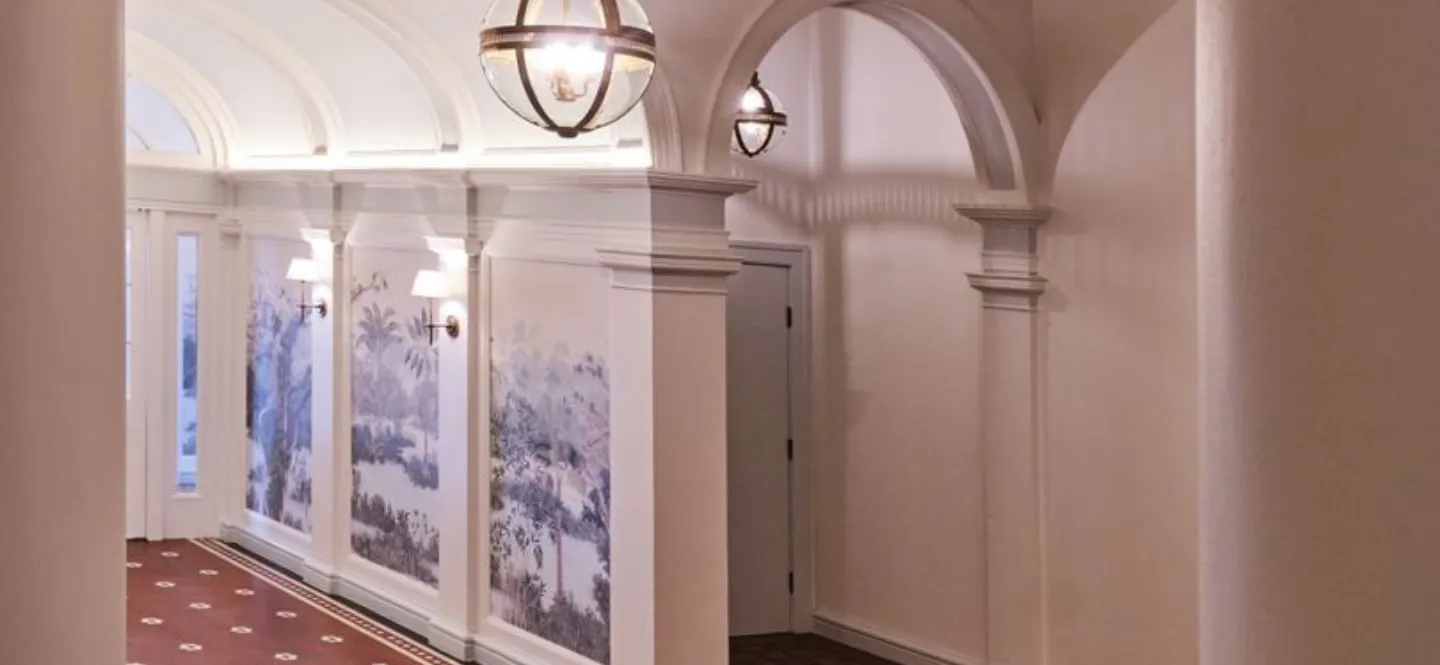
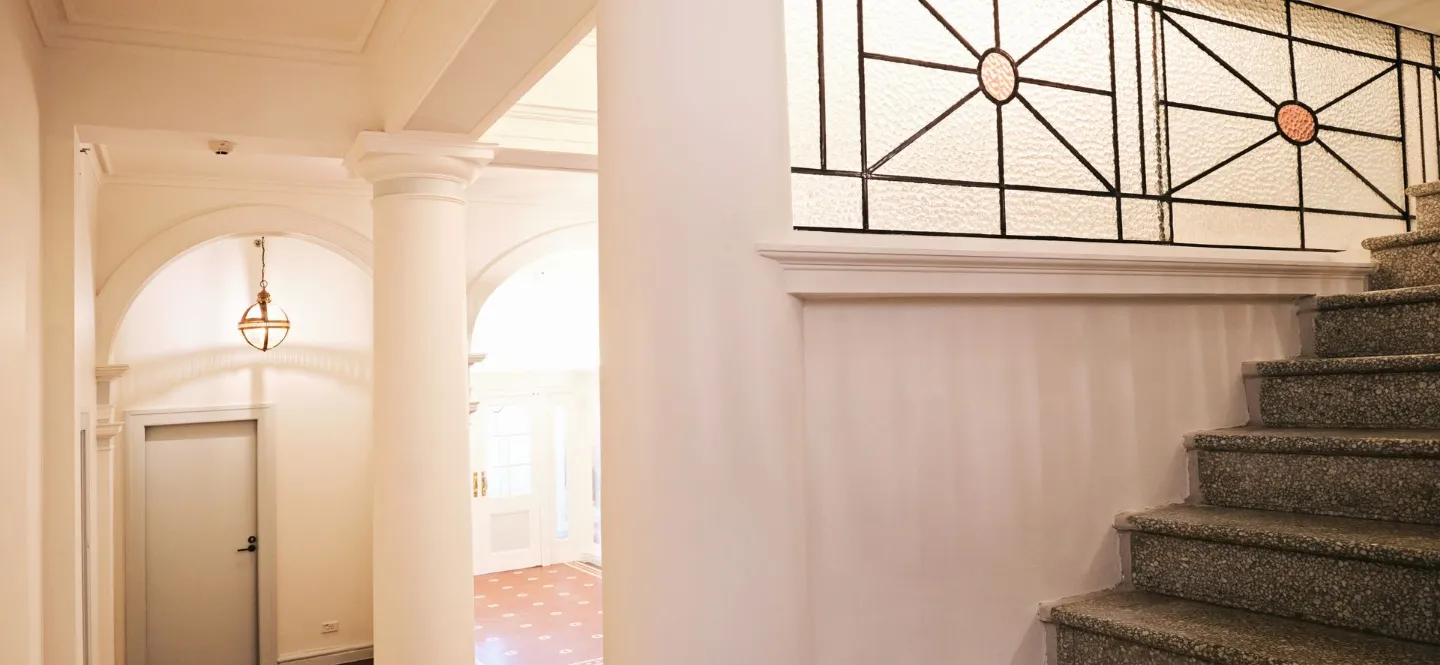
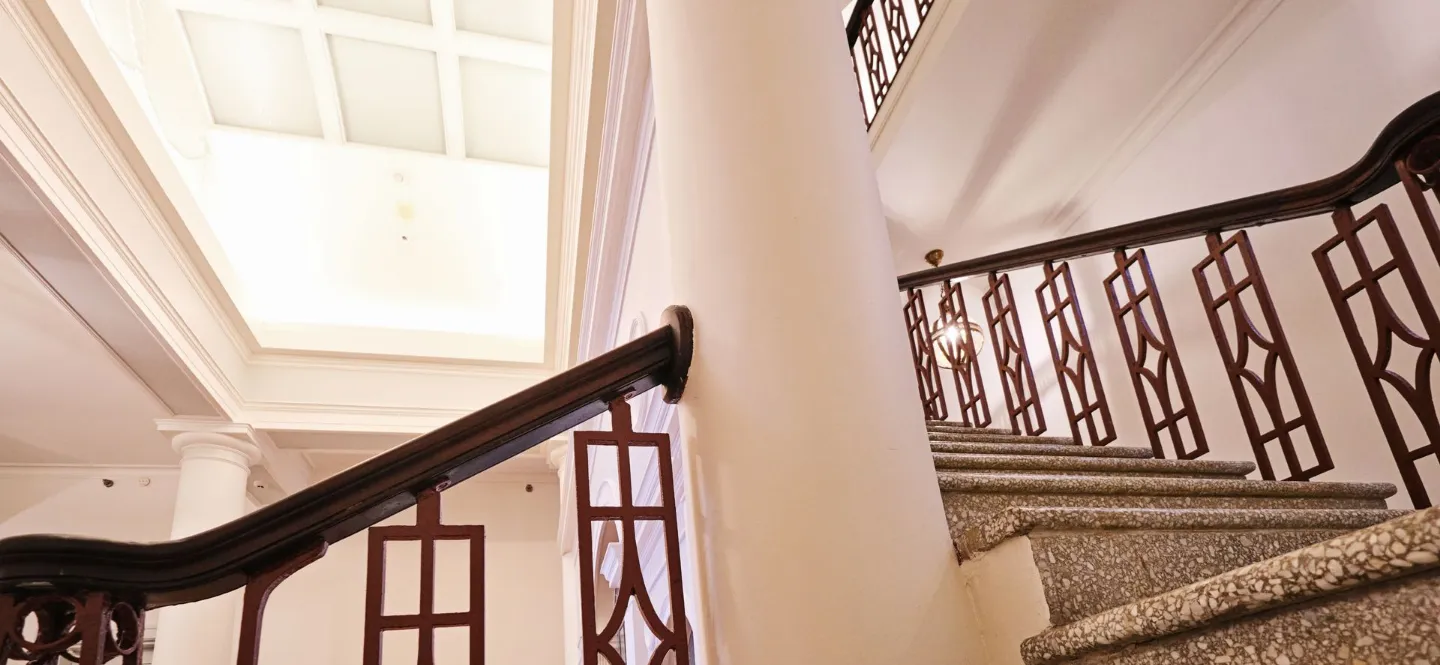
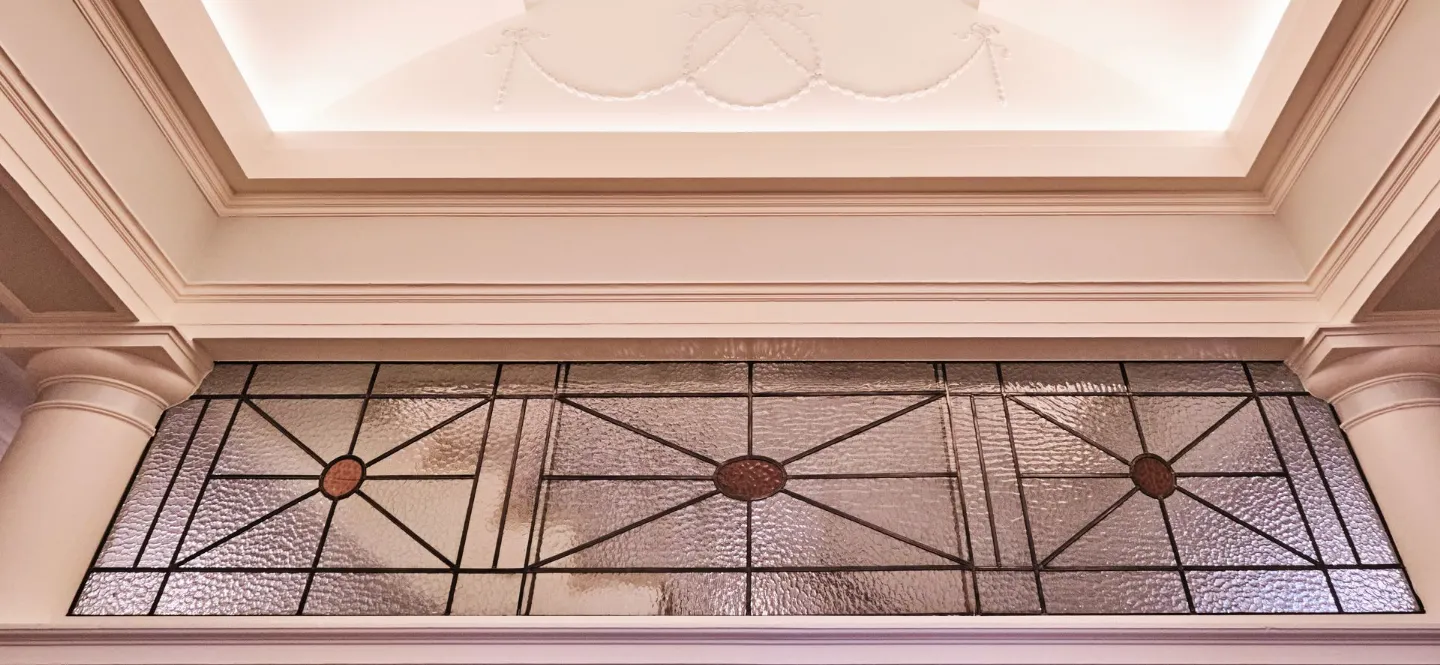
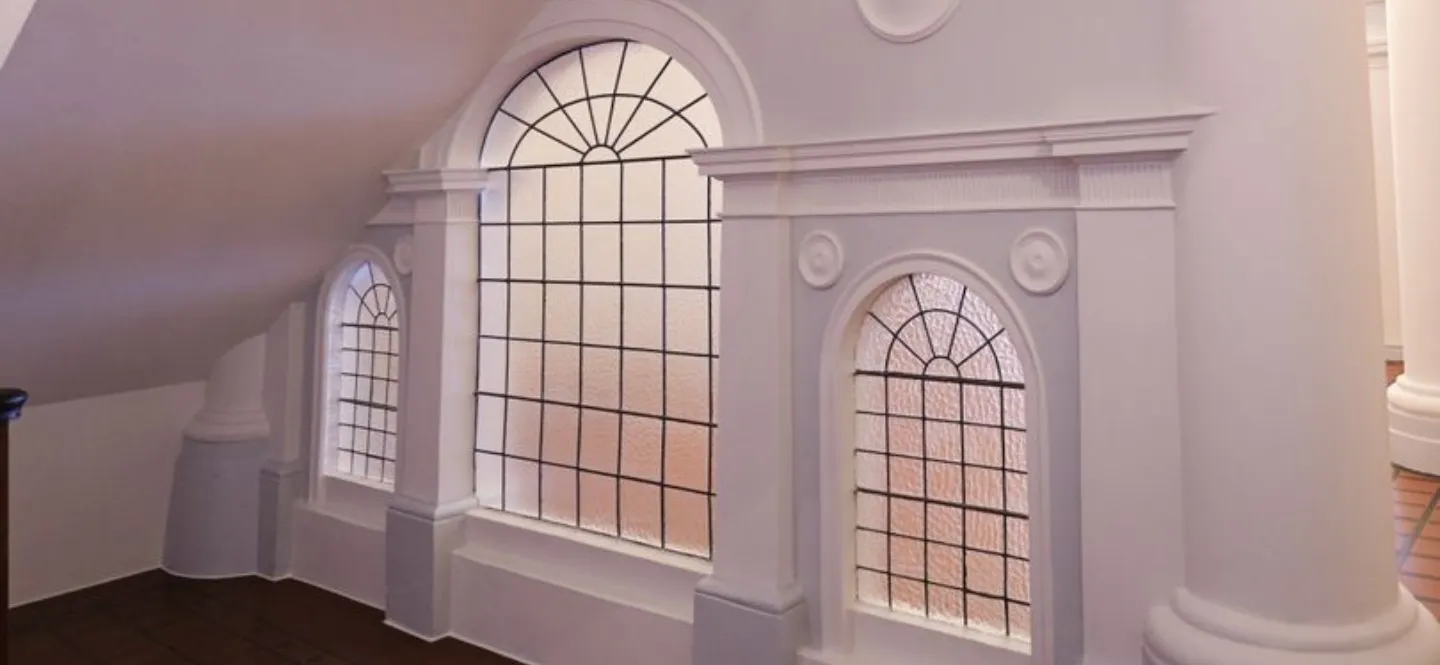
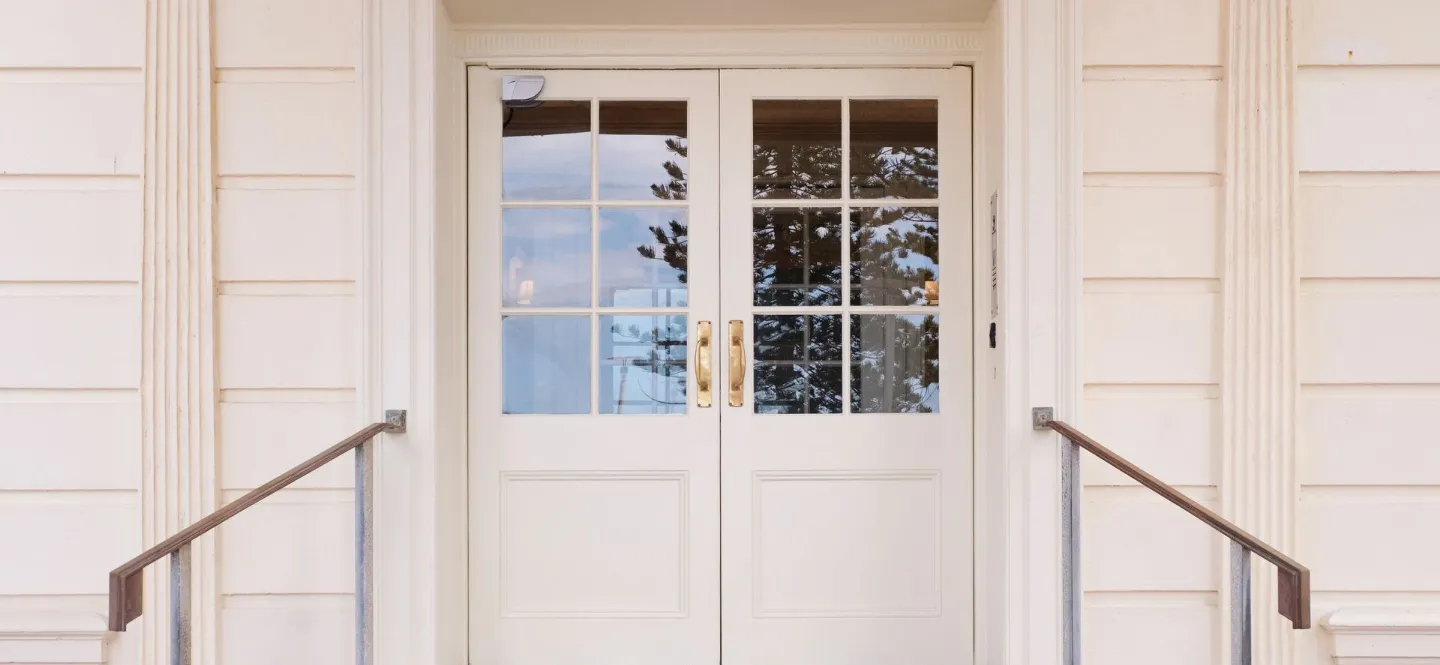
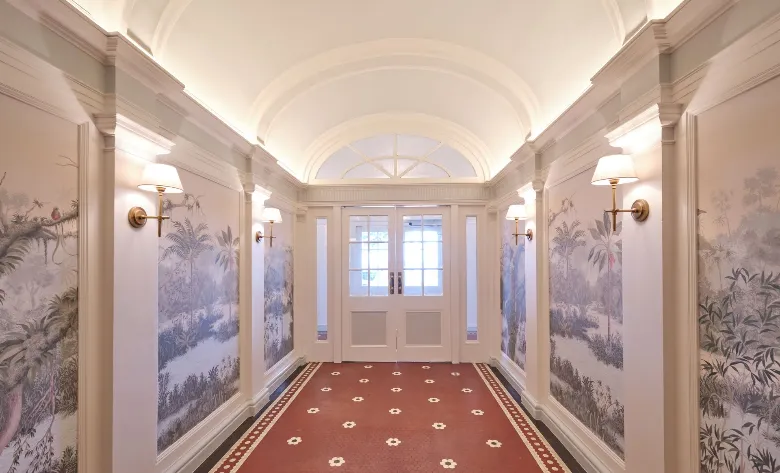
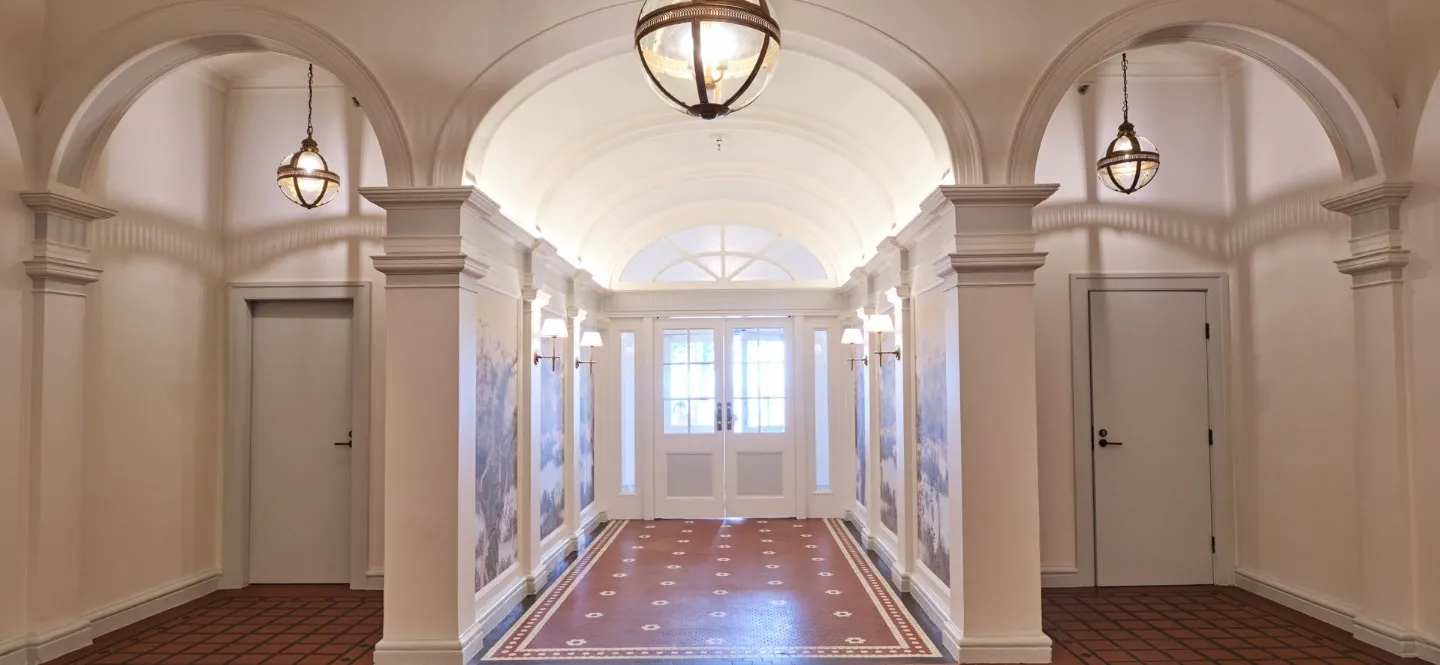
Beginning with the lobby on the ground floor, our team repainted the ceilings, walls, columns, skirtings, decorative features, and doors with their frames. The hallways from Levels 1 to 6 received a fresh coat of paint, with attention to ceilings, walls, skirtings, balustrades, and architraves. Outside, the masonry frame around the main entry was also repainted.

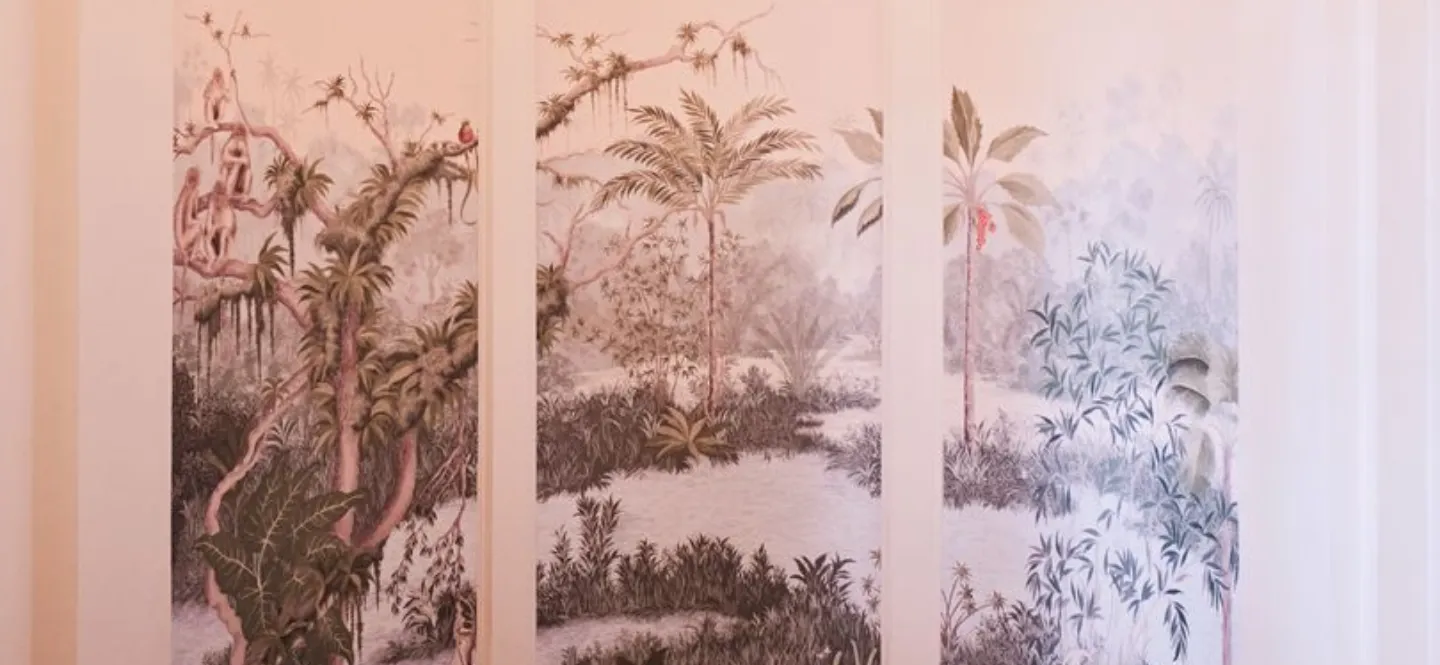
Our objective was to deliver a high-quality heritage repaint that aligned with the interior designer’s vision while honouring the building’s historical charm. The space is inherently magnificent, defined by strong symmetry in its arches and columns, fine plasterwork detailing, and decorative ceilings, as well as a grand yet balanced entry sequence. Every single element required careful preparation and precise multi-colour detailing to achieve a crisp, cohesive result.

For Dukes, any time we can leave a project knowing it now feels crisp, balanced and elevated, that is a success.

A heritage approach and building condition

Heritage projects require discipline, sensitivity and restraint. It’s about enhancement, not reinvention. For this project, colour selection was carefully considered to complement the architecture and reference heritage interiors of a similar era. Fine mouldings and plaster detailing were preserved through thorough preparation, with no structural or decorative features altered.

The building itself was structurally sound. But visually, the finishes were tired and previous colour schemes were no longer well-suited. Surfaces showed age-related wear, and the metalwork required detailed preparation, which is unsurprising for buildings in coastal locations. There was also extensive plaster failure that needed to be addressed before repainting could proceed.

Deterioration in heritage buildings is typically gradual, which is why addressing issues properly is crucial to prevent problems from compounding and safeguard the asset over the long term.

Access Methods

Access was managed using mobile scaffolding in the lobby and stairwell, along with ladders for detailed ceiling and wall work. Full floor and surface protection was installed using plastic and plywood or core flute sheeting. Access to multiple unit and service doors was carefully coordinated.

Being an occupied building, works were staged to maintain daily cleanliness and minimise disruption, with clear communication to residents throughout the six-week program.

“When you’re working on a building that’s stood since 1919, you don’t reinvent it. You respect it and do the job properly.”

Project Sentiment

For Dukes, this project carries extra significance for three simple reasons. First, heritage. A building from 1919 calls for patience, careful hands and genuine respect. Second, collaboration. Working closely with residents and responding to thoughtful design input created a result everyone could be proud of. Third, legacy. Having operated in Sydney for more than 60 years, such projects remind us that our work is part of the city’s ongoing story.

When the work was complete, our foreperson, Camilla, was presented with a Christmas gift from the owners, a small gesture that captured the appreciation and connection established throughout the program.
Communication

The communication process was strong and collaborative from the outset. A dedicated Project Manager oversaw delivery, supported by weekly progress updates. Site samples were applied for written approval prior to commencement to ensure alignment on colour and finish.

Our foreperson, Camilla, worked closely with resident project lead Sheridan and the interior designer. She provided two alternative colour sample applications to the main entrance wall, assisting in the final colour selection. This additional step improved the overall result, and Sheridan expressed her appreciation for the professionalism shown throughout.

Coating Systems & Materials

Preparation set the tone for the entire project. Before the paint, surfaces were thoroughly cleaned and washed down with sugar soap, loose and flaking coatings were scraped back and sanded smooth, minor cracks and surface defects were filled, and stains were sealed where needed. Additionally, metal elements were treated for rust to ensure they were properly stabilised. On a heritage building, careful preparation protects the detailing and ensures a lasting finish.

A full Dulux paint system was specified to suit the coastal environment and provide long-term durability.

  • Acrylic primers and flat acrylic finish to ceilings
  • Acrylic primers and low sheen acrylic finish to walls
  • Oil-based undercoat with gloss or semi-gloss finishes to timber doors and trim
  • Metal spot primers and rust-guard enamel to metalwork

Outcome

Beyond the obvious and beautiful visual transformation, this refurbishment has protected a building that has been part of the fabric of Manly for more than a century.

Internal finishes have been renewed and their life extended, and the first impression on entry now reflects the architectural quality of the structure. Residents have expressed renewed pride in their building, with strong alignment between the design intent and final execution.

For heritage buildings in particular, presentation directly impacts value.

Project Gallery

Frequently Asked Questions

What work did Dukes complete at the historic Dungowan building on South Steyne, Manly?

At Dungowan, a landmark beachfront strata building on South Steyne, we carried out remedial repairs and external painting to protect the structure from coastal exposure. Our scope focused on preparing and coating façades to enhance durability and restore the building’s appearance in a harsh marine environment.

Why was specialist access and remediation needed for this South Steyne project?

South Steyne sits right on the beachfront, meaning salt, humidity and sea spray accelerate wear on external surfaces. We used careful access planning and remedial techniques to address defects and ensure all areas were safely reached and treated before repainting.

How did Dukes manage disruption for residents and neighbours during the works?

We understand these buildings are people’s homes and part of a vibrant Manly community. We staged the work, communicated clearly with residents, and applied safety and environmental controls throughout to minimise noise, dust and disruption for people living in and around the site.

What makes marine-exposed heritage projects like Dungowan different from standard repainting work?

Projects exposed to ocean conditions require coatings and processes that withstand chloride attack from salt air and moisture. We selected products and surface treatments that provide long-lasting protection against corrosion and deterioration, specifically for coastal locations.

Can Dukes work on heritage or character buildings like Dungowan?

Absolutely. We have experience on strata and heritage properties where careful repair and finishing are critical. Our team works with consultants and stakeholders to respect the building’s character while delivering technically sound paint and remedial solutions.