

Project Sentiment
Our client provided some positive feedback on the overall quality of the workmanship, with specific recognition of Juan, the site foreman. His attention to detail, care and proactive communication was very much appreciated.
Project Value: $140,800
Duration: Approx 10 weeks (staged to suit access and occupancy)
Status: Complete
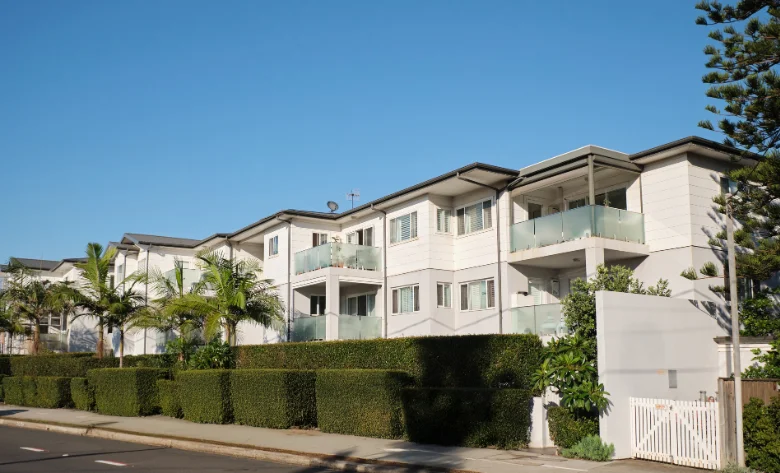
This residential strata painting project involved a full external repaint, along with selected internal service areas, of a building in a high-exposure coastal environment.
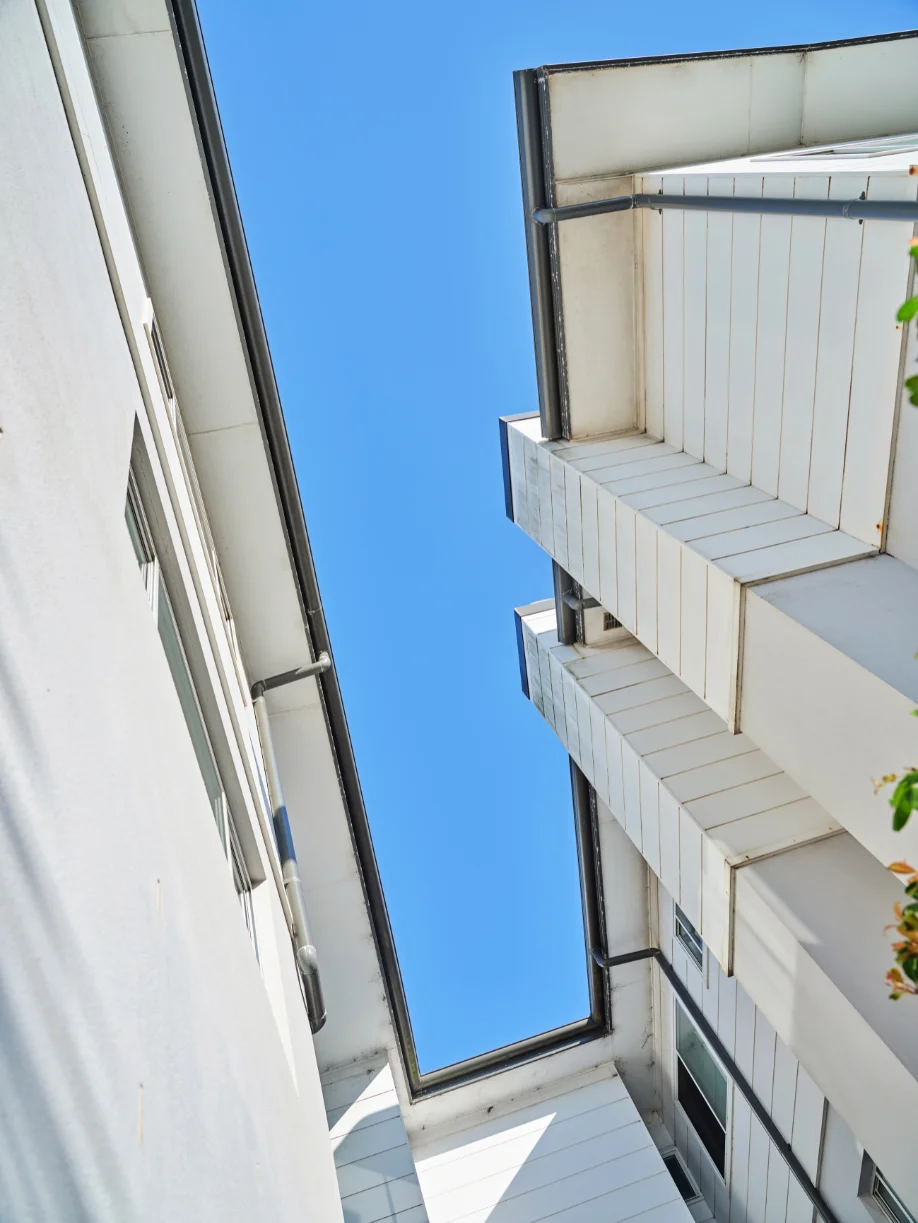
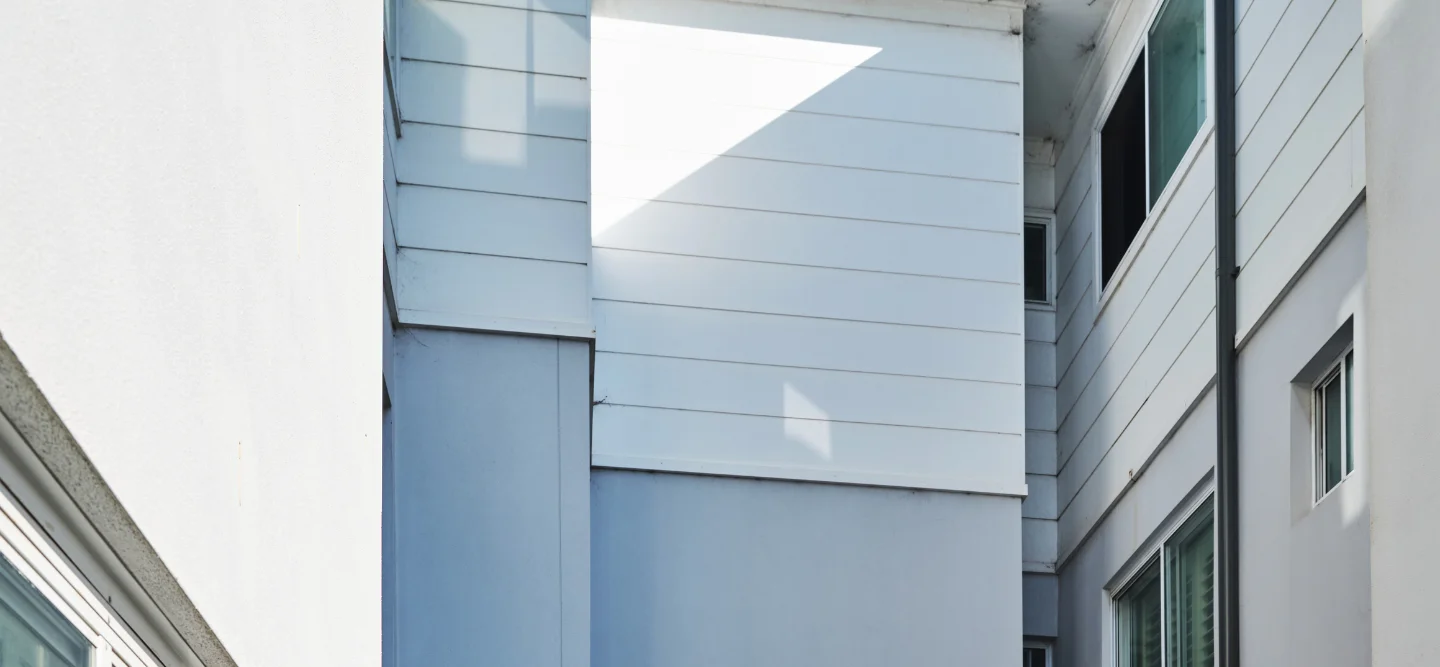
The full project scope covered areas such as eaves linings, rendered walls, FC panel walls to the top level, balcony parapet walls, soffits and slab edges, timber window framing, rendered garden walls at ground level, bin room internals and ground level white timber fencing, including courtyards. We also provided professional colour advice at no additional cost to support a refreshed, cohesive finish.
We had three key priorities: protecting the building from harsh marine conditions such as salt exposure, moisture and high winds, resetting the maintenance cycle with a high-performance coating system, and updating the appearance. All works needed to be delivered with minimal disruption to residents.
The colour scheme was refreshed to feel more contemporary and consistent, while remaining sympathetic to the existing palette.
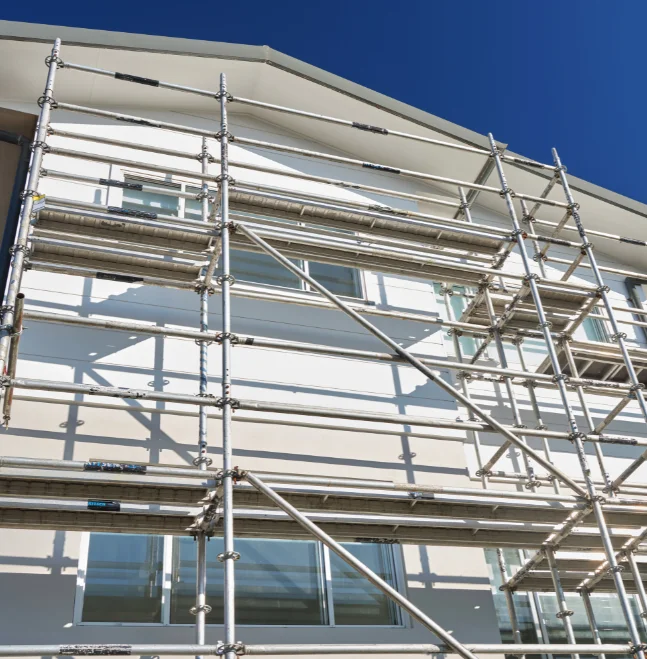
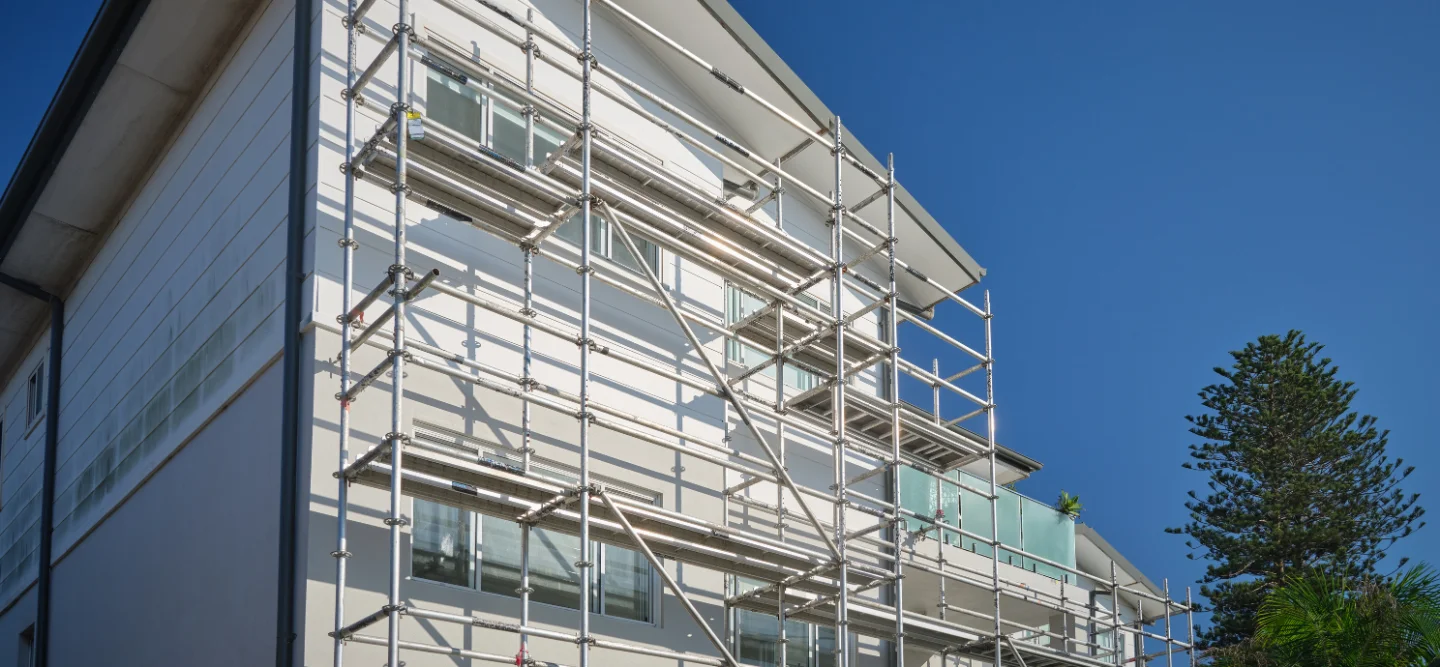
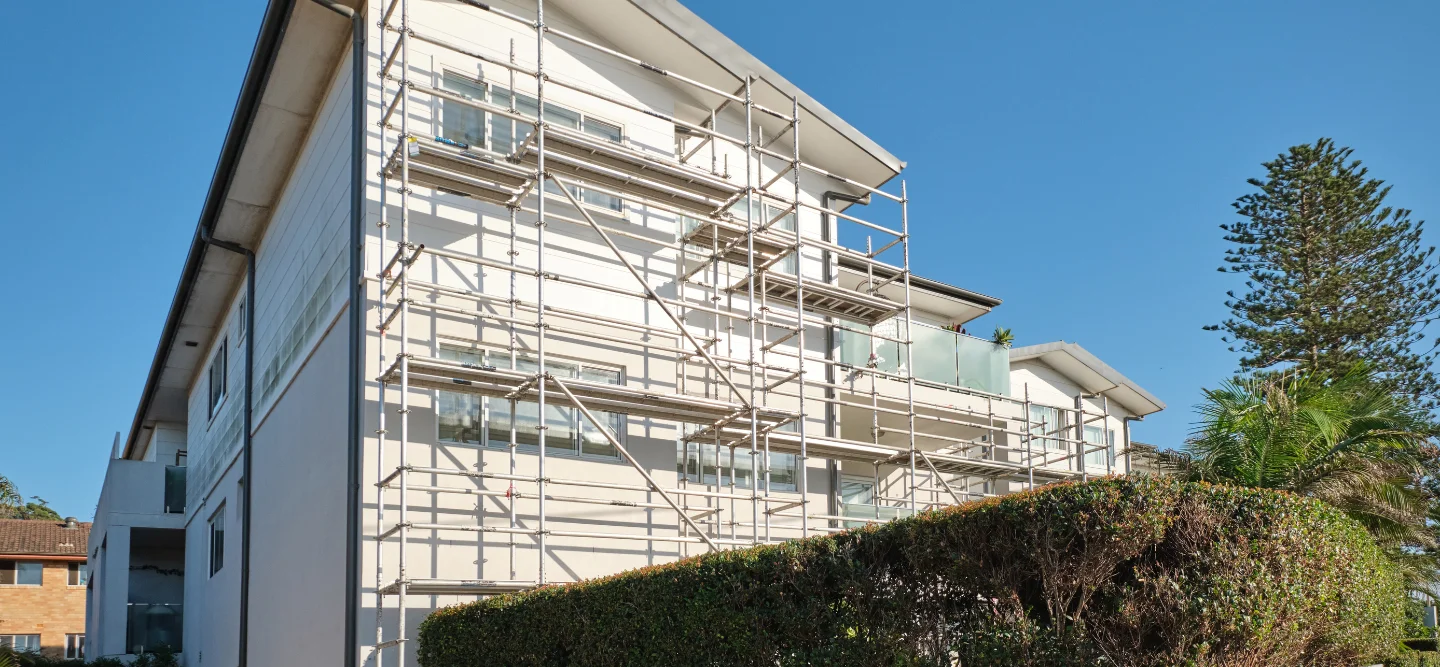
With our own scaffolding and access equipment for the duration of the project, Dukes could reduce reliance on third-party hire and have greater control over sequencing and safety.
We used a carefully designed scaffold, staged the works and implemented daily site management to maintain resident access throughout, while also protecting the established landscaped gardens and common areas.
In addition to access challenges, working in a coastal location added extra challenges. Salt, moisture and wind-driven exposure meant we had to be especially thorough with surface preparation and pay close attention to coating thickness and film build to ensure maximum durability.
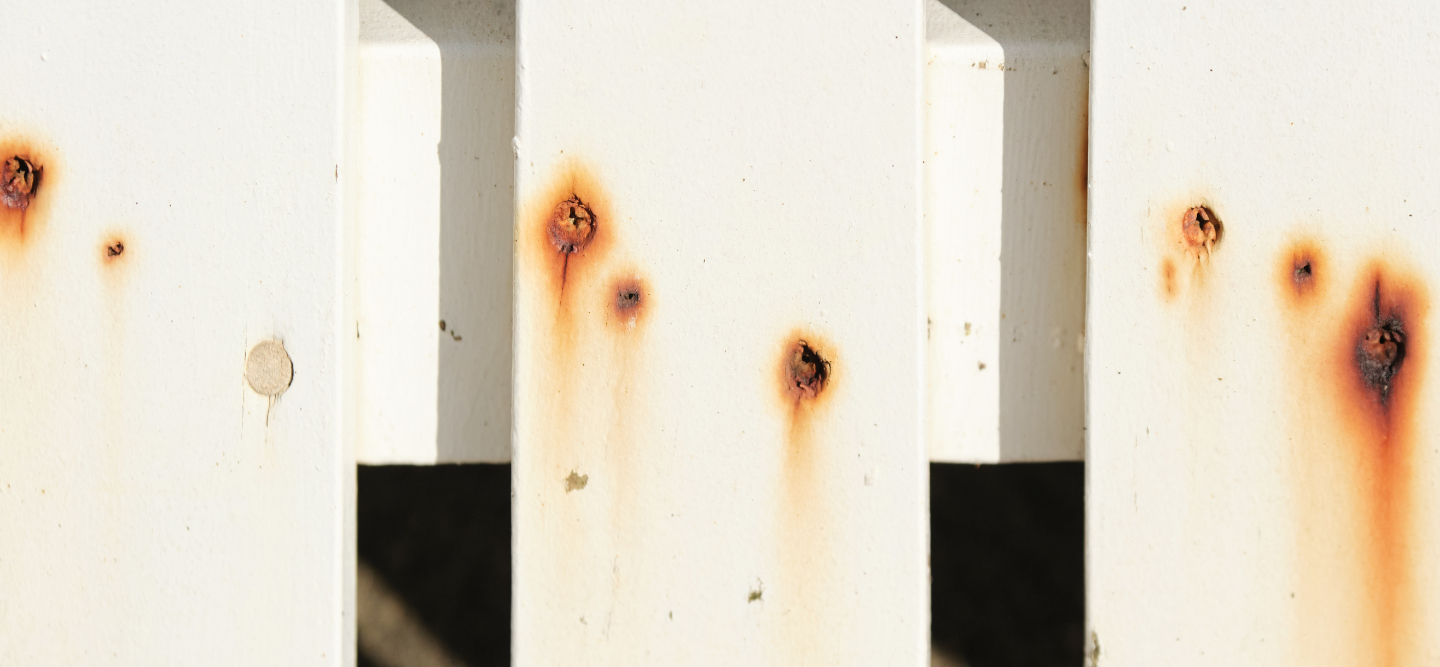
Careful preparation was key to the project’s success. This involved high-pressure washing, treating salt deposits and efflorescence, removing mildew, and allowing controlled drying before applying coatings.
“In an occupied coastal building, durability, planning and daily site care have to work together.”
Our client provided some positive feedback on the overall quality of the workmanship, with specific recognition of Juan, the site foreman. His attention to detail, care and proactive communication was very much appreciated.
All communication followed Dukes’ established strata delivery framework. The project began with a pre-start meeting with the owners’ representatives, followed by the issue of a detailed job program before works commenced.
From there, we had weekly communication between the Dukes foreman and the owners, supported by fortnightly meetings with the Dukes Project Manager. A formal sign-off meeting was held upon completion.
The coating system was selected to suit the building’s coastal exposure and deliver long-term protection across all external surfaces:
Why Armawall was used:
System approach:
Supporting systems:
With its refreshed finish, the building now looks modern and well-maintained, giving owners confidence in both its appearance and durability.
Coastal strata buildings face far harsher exposure conditions (salt, moisture, wind-driven weather), which means painting becomes a protection system, not just an appearance upgrade.
This project involved a building in a high-exposure coastal environment, and the key priorities included protecting it from salt exposure, moisture, and high winds.
These coastal conditions required extra attention to surface preparation, plus correct coating thickness and film build to maximise durability.
A strata repaint usually includes multiple building elements and materials—not just rendered walls—because the goal is a consistent finish and full asset protection.
In this Pittwater Rd project, the scope included areas such as:
Surface preparation is one of the most important cost-and-longevity drivers in strata painting, because coatings only perform properly when the substrate is clean, stable and dry.
For this project, preparation was critical and involved:
In an occupied coastal building, success comes from combining durability, planning and daily site care.
The Pittwater Rd, Collaroy project ran for approximately 10 weeks, and it was staged to suit access and occupancy so residents could continue living in the building with minimal disruption.
Dukes also managed this through structured communication and scheduling, including a pre-start meeting, a detailed job program, weekly communication, and fortnightly project manager meetings, finishing with a formal sign-off meeting.
Dukes selected a Taubmans coating system, with Taubmans Armawall as the primary external system for masonry and rendered surfaces, because the building is in a high-exposure coastal environment.
Armawall was chosen specifically for its resistance to salt, moisture and weathering, and because it supports robust coating thickness/film build to improve long-term durability.
The system approach included substrate-appropriate priming and two finish coats to achieve consistent coverage and long-term performance.


© Copyright Dukes Painting Services Pty Ltd. Website by Brilliant Digital